 Česky
 English
Vases
The main objective of the project is the systematic support of Czech design, while also enhancing the Artium public space for both employees and visitors engaged in the local cultural scene.
Each month, a single original object—a designer vase—will be presented, selected with an emphasis on originality, craftsmanship, and the ability to stand as a distinctive piece within the space. The curatorial selection is led by Designblok Director Jana Zielinski and journalist and Designblok Advisory Board member Andrea Běhounková.
Every first Wednesday of the month, a new installation will emerge—a dialogue between the object and living material, between design and nature. Each installation will be continuously documented by photographer Eda Babák, recipient of the Czech Grand Design 2025 award in the Discovery of the Year category. Czech Grand Design award holders also include DECHEM studio and Zdeněk Vacek, both recognized in the main Grand Designer category.
The Vases project will gradually present a broad spectrum of creators—from emerging designers to established figures of the Czech scene—and will explore the vase as an object that transcends its function, entering space as an autonomous form.

KŘEHKÝ │ Anticodes Literary Vase
The curated exhibition project Vases, a collaboration between DesignBlok and Artium by KKCG showcasing the work of leading Czech designers, continues in November with a limited edition of the porcelain Anticodes Literary Vase. Inspired by Václav Havel’s visual poetry, the vase was designed by Klára Šumová for the Czech collectible design brand Křehký. Renowned graphic designer Zuzana Lednická selected the poem for its visual interpretation.
Created by Klára Šumová for Křehký, the Literary Vases series brings together design and literature. Each vase draws inspiration from a particular literary work, visually interpreted on its surface by artists, illustrators and graphic designers. Following The Odyssey, Smuténka, The Three-Body Problem and Dracula, the latest edition features The Origin and Course of Marriage, a poem from Václav Havel’s collection of visual poetry Anticodes, first published by Odeon in 1964.
In this experimental collection, Václav Havel plays with words, using a typewriter to transform them into images. Literature and visual art converge in a distinctive synthesis of text and visual composition. The dedication to Jiří Kolář reflects Havel’s admiration for collage, a medium Kolář had mastered. Yet this experimental approach also carries a social and political dimension. As Josef Hiršal wrote in his foreword to the collection, Havel’s poetry was “a socially critical protest and, not least, a form of articulation of the absurdity of the political circumstances of the time.”
Graphic designer Zuzana Lednická selected the text of The Origin and Course of Marriage and adapted it for the surface of the porcelain Literary Vase, translating Havel’s exploration of typography and the visual qualities of language into a three-dimensional object. The vase itself was designed by Klára Šumová and technically executed by Gabriel Vach.
The Anticodes Literary Vase was first unveiled on 5 October 2026 at the opening of the exhibition Design for Václav Havel at the Prague Castle Riding Hall as part of DesignBlok, commemorating the 90th anniversary of Havel’s birth. Produced in a limited edition of just 30 pieces, the vase also supports a charitable cause: Křehký will donate all proceeds from its sale to the Dagmar and Václav Havel Foundation, Vision 97.

DANIEL PIRŠČ │ Octopus & Amfo
The joint project of Designblok, KKCG, and Artium continues in October with a pair of porcelain vases, Octopus and Amfo, from the Borzoi limited collection by Daniel Piršč. The collection, created during lockdown, was first presented in 2022 at the Křehký Mikulov festival and then at DesignBlock in Prague. Subsequently, Piršč was selected as one of the three finalists of the Czech Grand Design 2022 awards, where he came second in the Designer of the Year category. A year later, the Borzoi collection won the EDIDA 2023 price in the Interior Accessory of the Year category.
While the shape of the Borzoi vases is derived from historical vessels, their volume underwent a radical change in the artist’s hands. From one side, they look like full-fledged spatial objects; from the other, they surprisingly narrow to a silhouette so thin they become almost invisible. This variability is indeed the essential principle of the entire collection. The artist plays with our inclination to take the first sight as granted; yet a slight shift in proportion reveals a strikingly different form of the object. Octopus and Amfo are fully grasped only if seen from all angles. As the viewers move around, they uncover the vases’ structural pattern.
The name Borzoi came up only later, as the vases’ distinctive shape reminded Piršč of the Russian Wolfhound, whose subtle body appears almost flat from the front yet shows a striking posture in profile. His porcelain objects display similar qualities. ´This is not a mere optical illusion, though. The extreme flattening is actually the result of a technically complex process encompassing both the firmness and fragility of porcelain. The velvet-like matte exterior contrasts with the glazed inner surface, further accentuating the peculiar shape of both vases.
Daniel Piršč is a prominent figure of contemporary Czech porcelain-making. He graduated from the UMPRUM Ceramics and Porcelain Studio in Prague, and in 2005 established his own brand PIRSC PORCELAIN, based primarily in Mikulov. In his artistic style, porcelain has served a vast range of functions going far beyond being a material for tableware. Piršč uses it in his studio objects, interior design, and architecture, and consistently explores its potential in terms of technology and form. Apart from his own creative work, Piršč is also a teacher. The Borzoi collection incorporates both edges of his artistic practice: excellent porcelain-making craftmanship and the desire to break the established ideas in this field.
Similar innovative traits can be seen in the work of jeweller Zdeněk Vacek, who prepared the flower arrangement.

Gallery

VIKTOR TABIŠ │ SV06K (Segment 06)
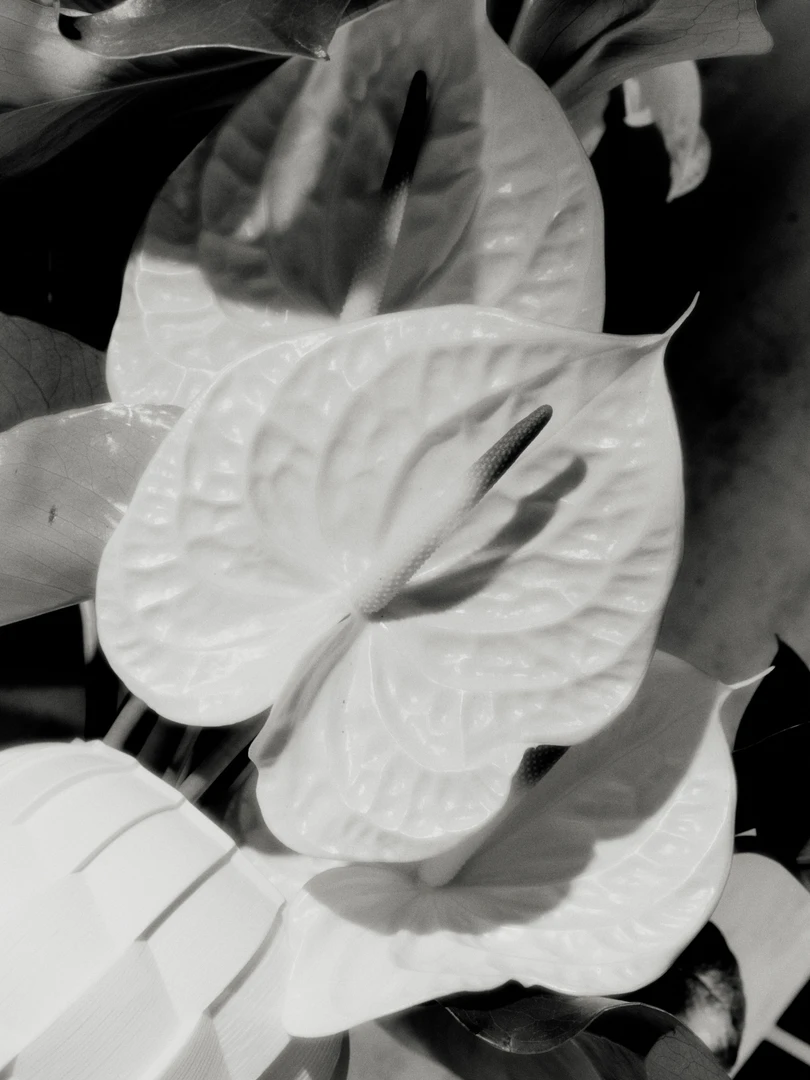
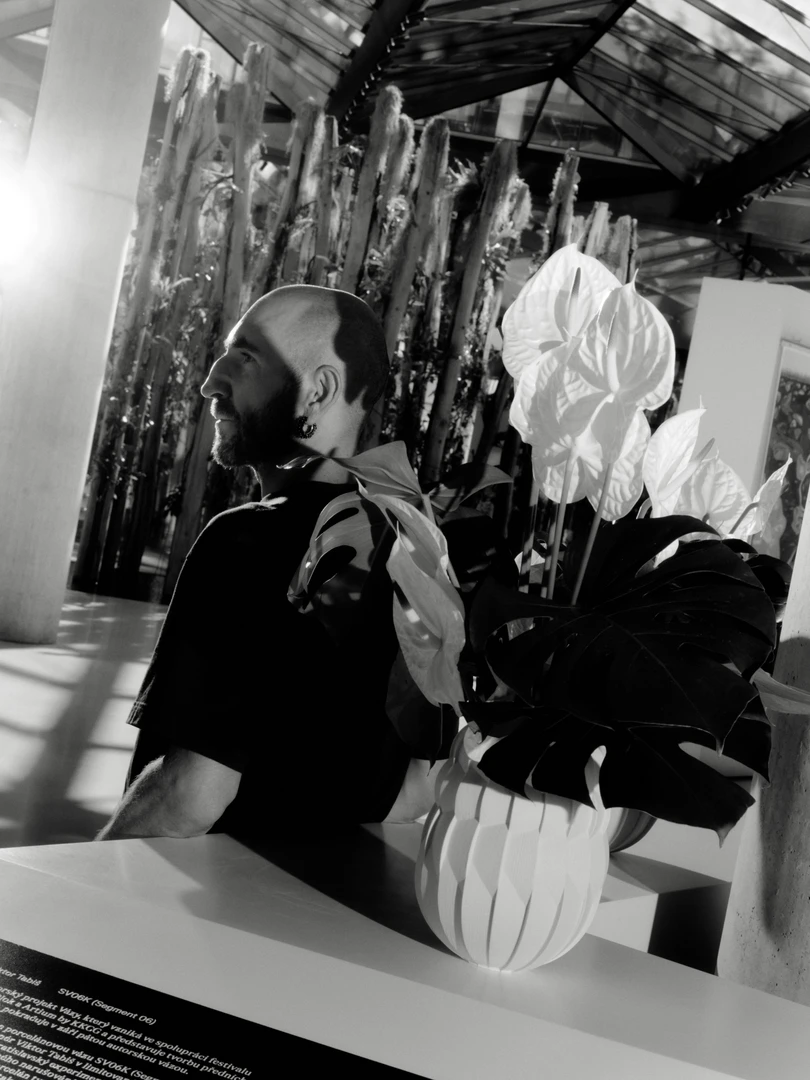
The curatorial project “Vases” prepared by DesignBlok festival in collaboration with Artium by KKCG, presenting the works of leading Czech designers, continues in September with a fifth artist’s vase.
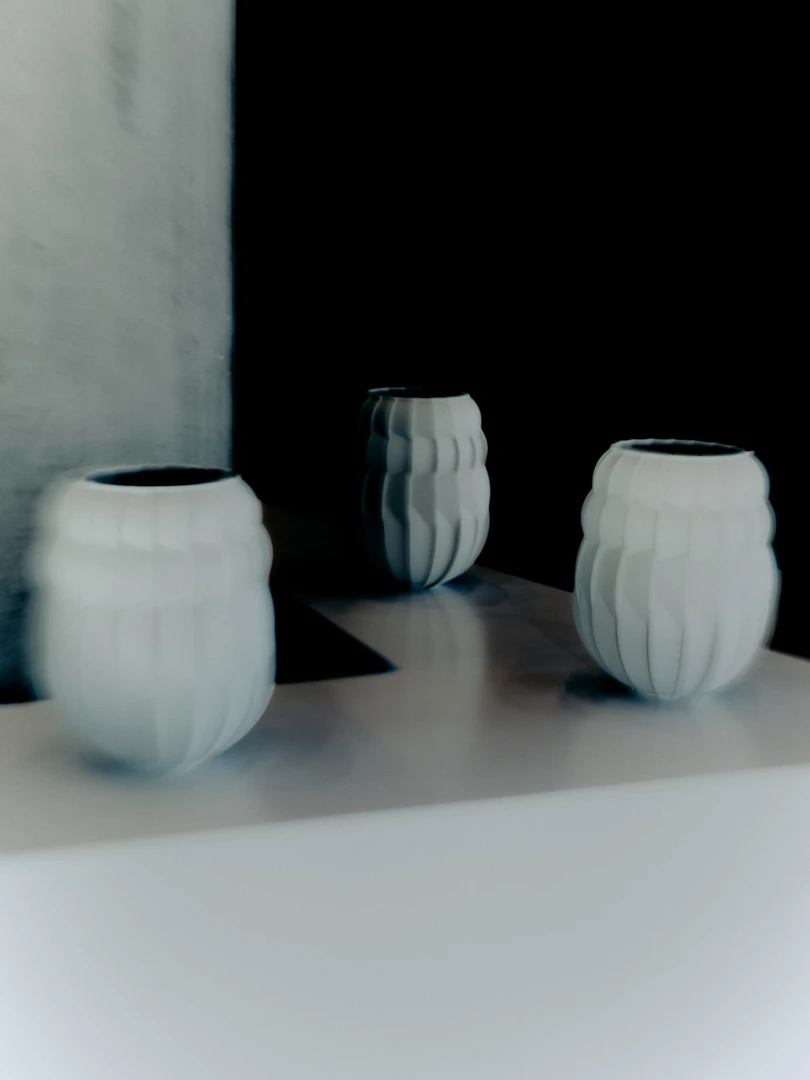
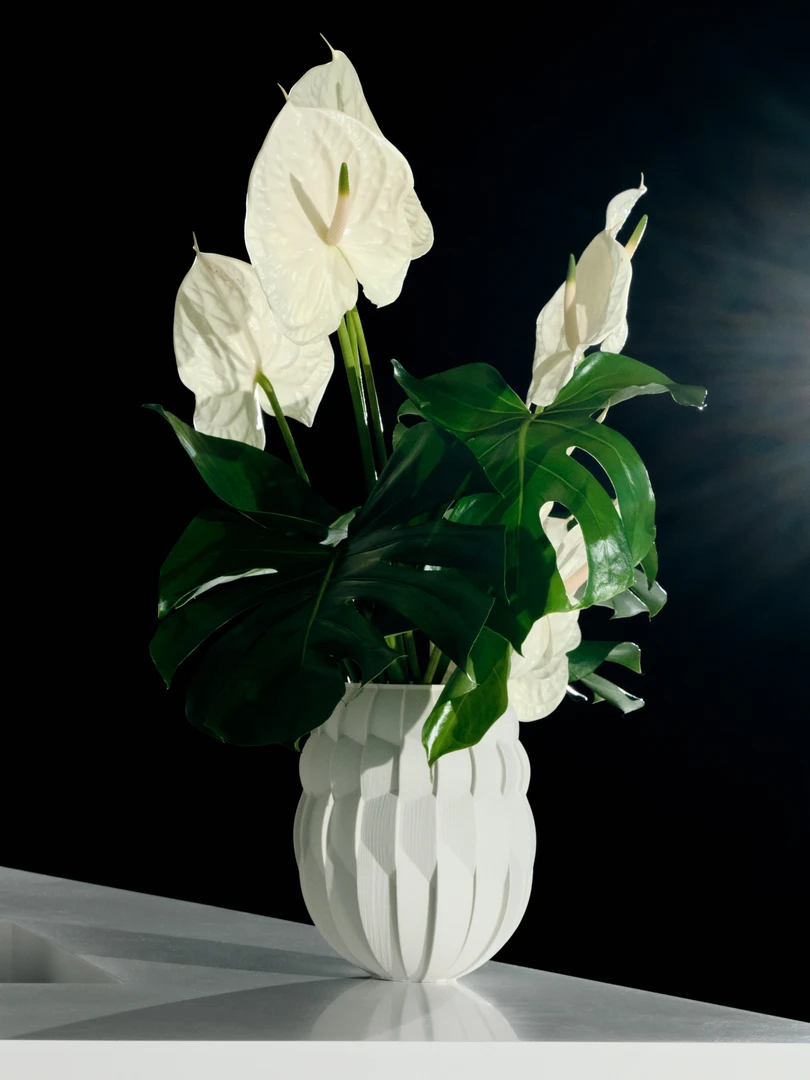
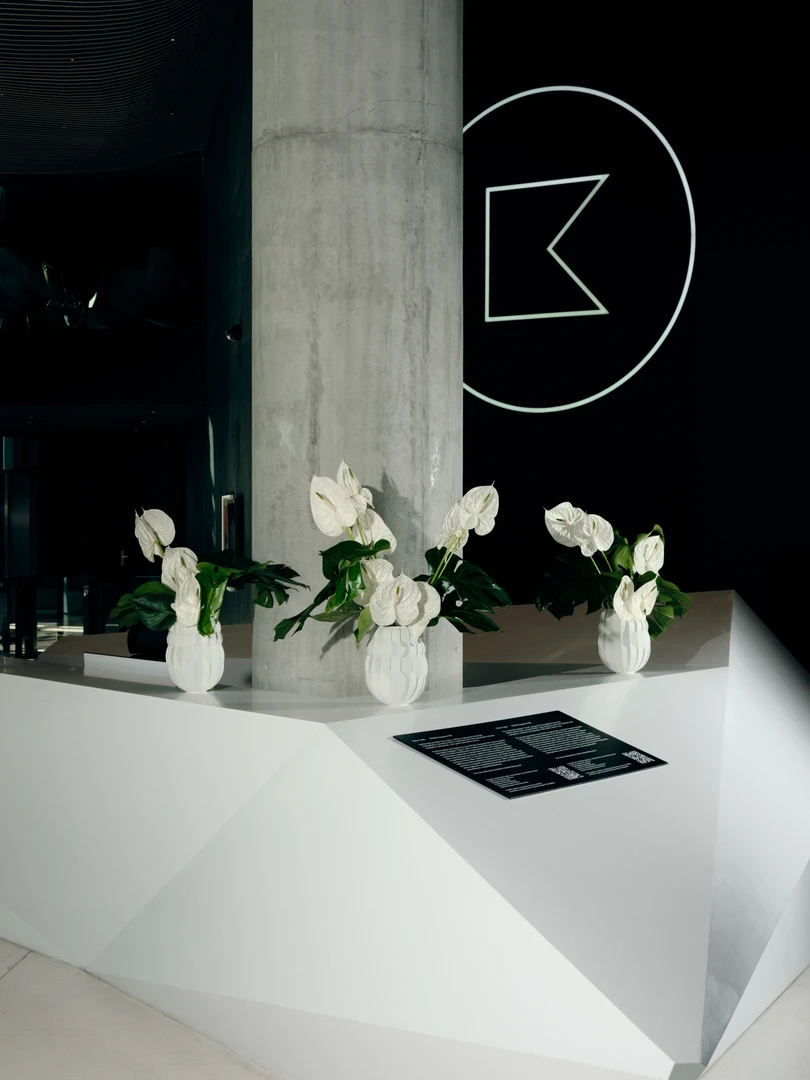
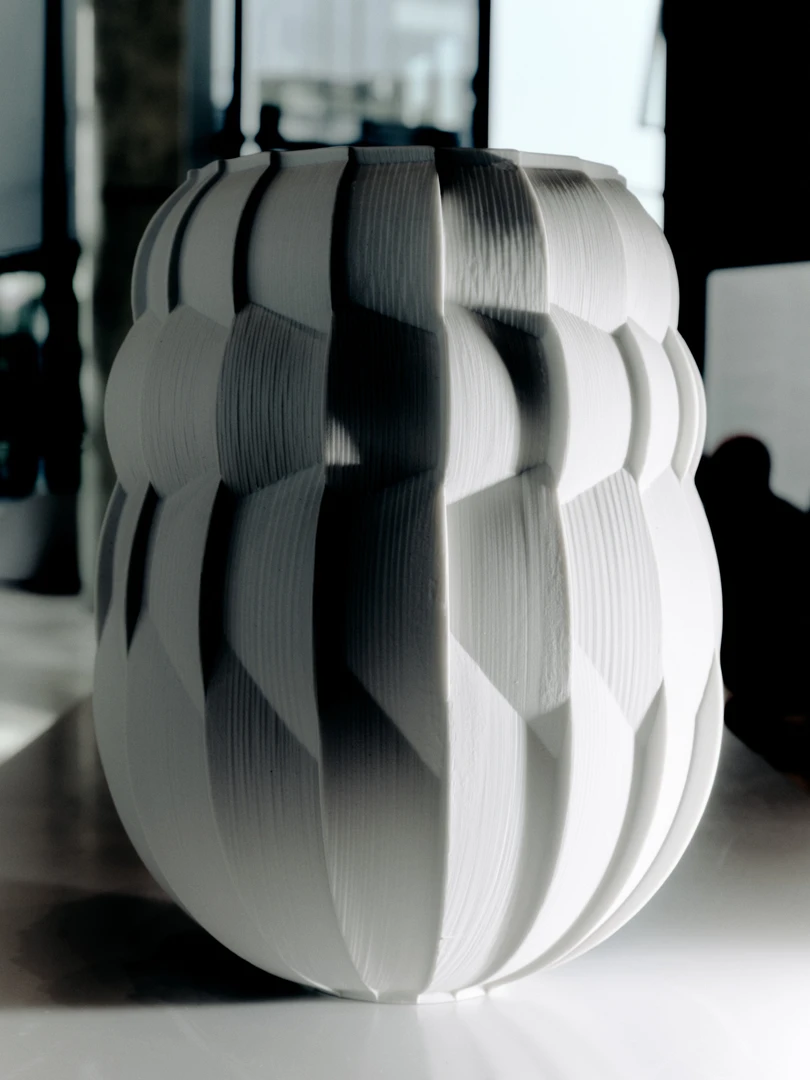
We present porcelain vase SV06K (Segment 06) created by Slovak designer Viktor Tabiš in a limited edition for the Křehký brand, specialised in collectible design. The Bratislava-based experimental designer employs a method that intentionally goes against the traditional production processes: he skips the model typical for porcelain making. The creative process is thus inherently characterised by variability and randomness. The vase was created as an experiment, where the artist drilled the cavity for casting directly into the mould to achieve a fine surface that bears traces of the production process. The structure thus formed is irreplicable; consequently, each object is authentic and unpredictable.
Viktor Tabiš is a graduate of the Academy of Fine Arts in Bratislava. He was greatly influenced by designer Daniel Piršč, the head of the Academy’s Porcelain and Ceramic studio. Tabiš has presented his works at major international events such as DesignBlok Prague, 1000 Vases, Milan Design Week, Dutch Design Week, and Berlin Design Week.

Gallery
HANA HILLEROVÁ │ Riot of Spring
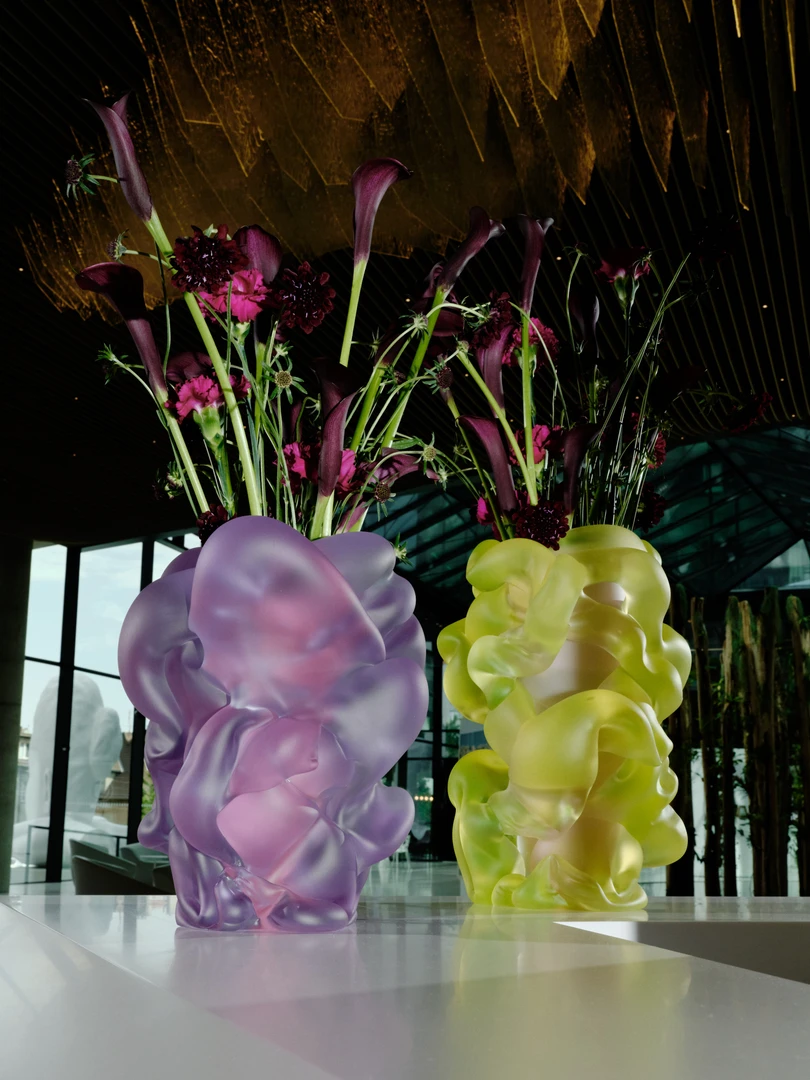
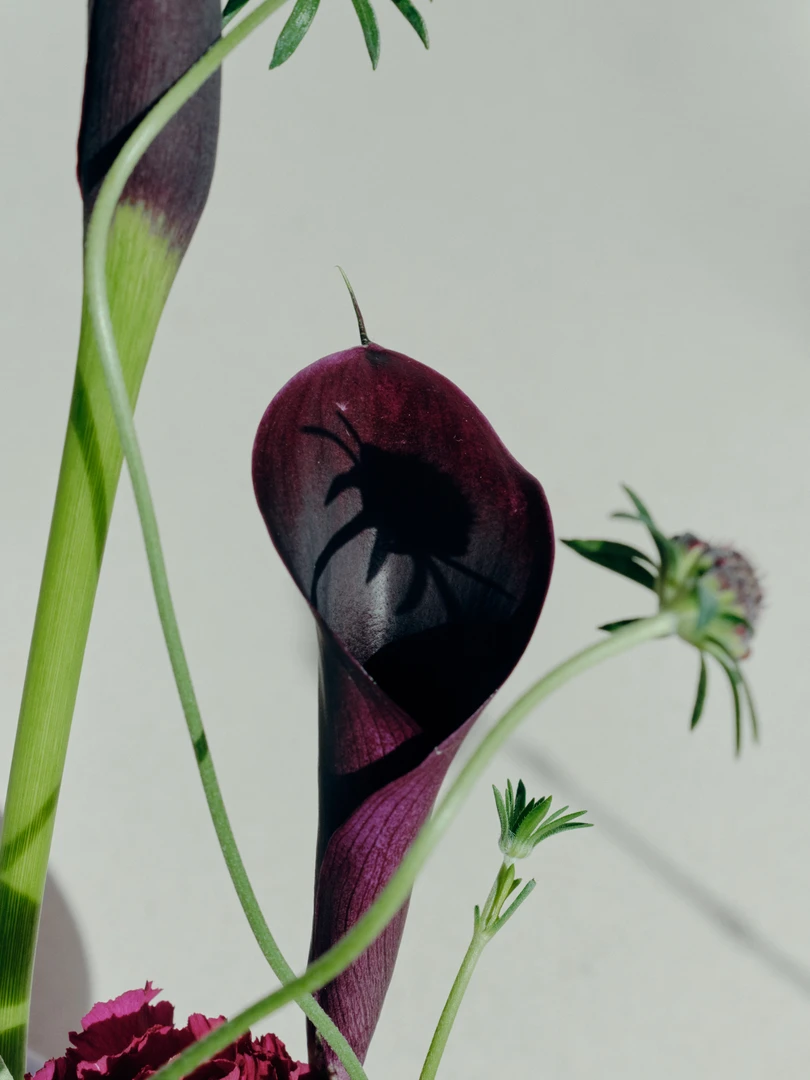
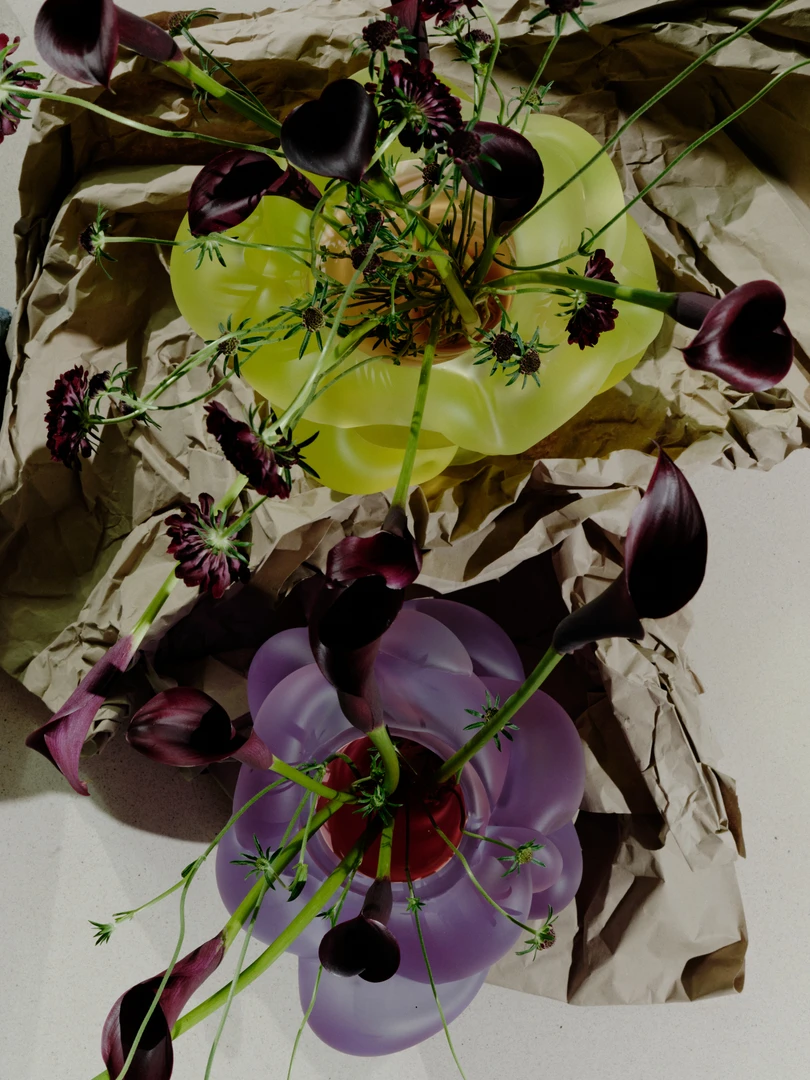
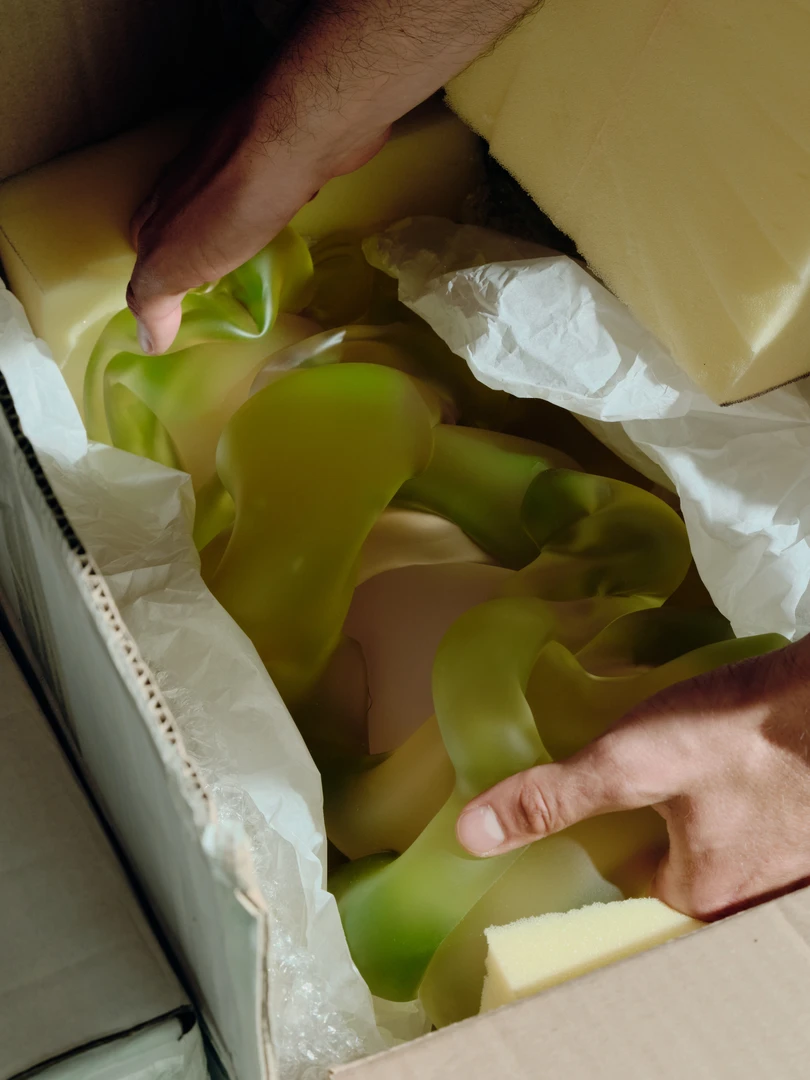
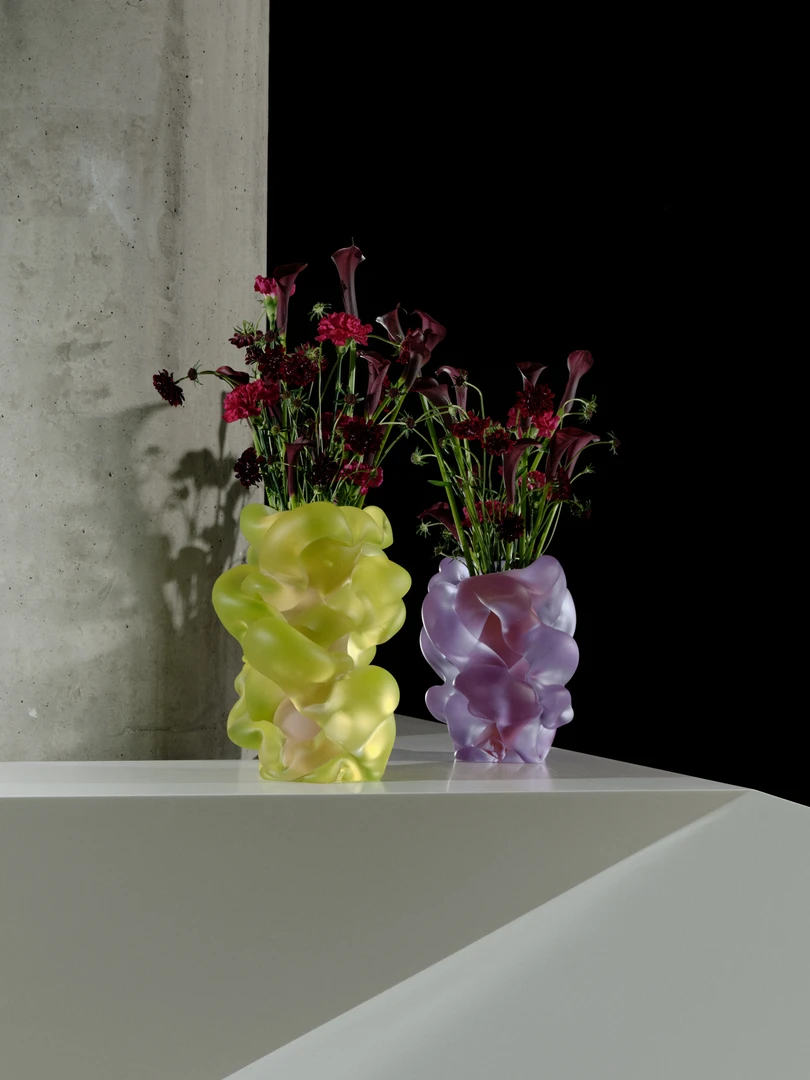
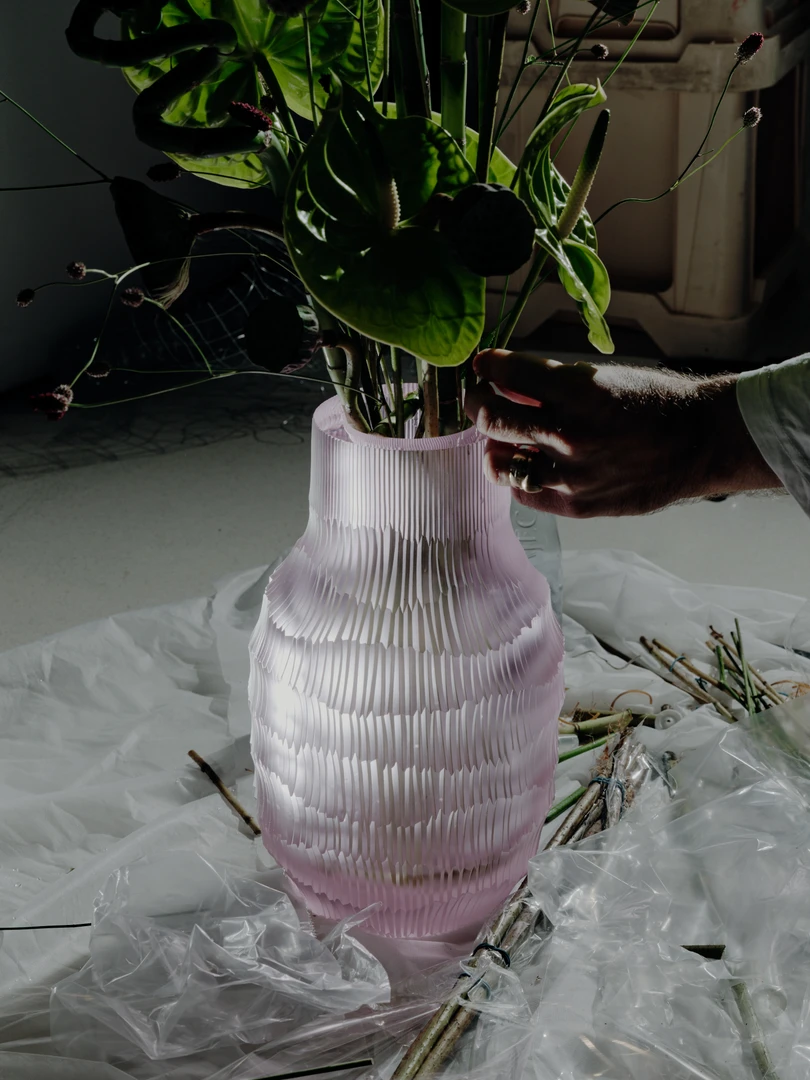
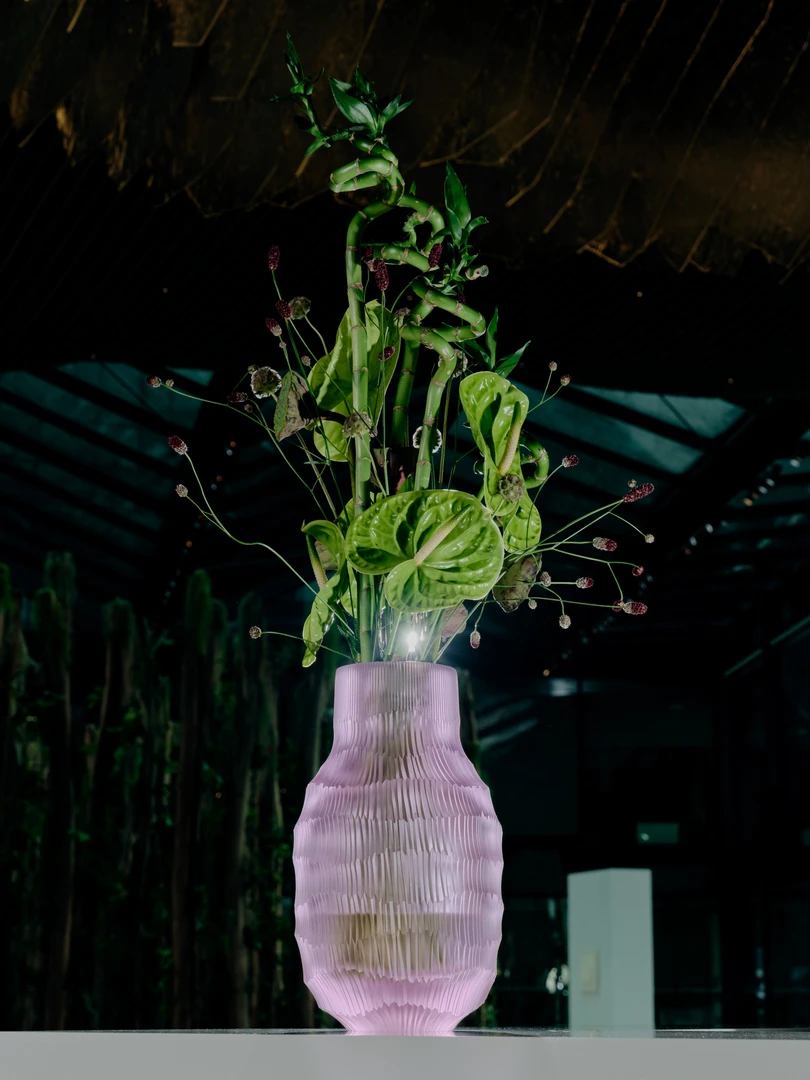
The Vases curatorial project, developed in collaboration between the Designblok festival and Artium by KKCG and showcasing the work of leading Czech designers, continues in August with its fourth original vase. Following pieces by DECHEM studio, Milan Pekař, and Kateřina Handlová, the project now presents a work by artist and designer Hana Hillerová, whose practice brings together contemporary art, sculpture, and experimental approaches to glass.
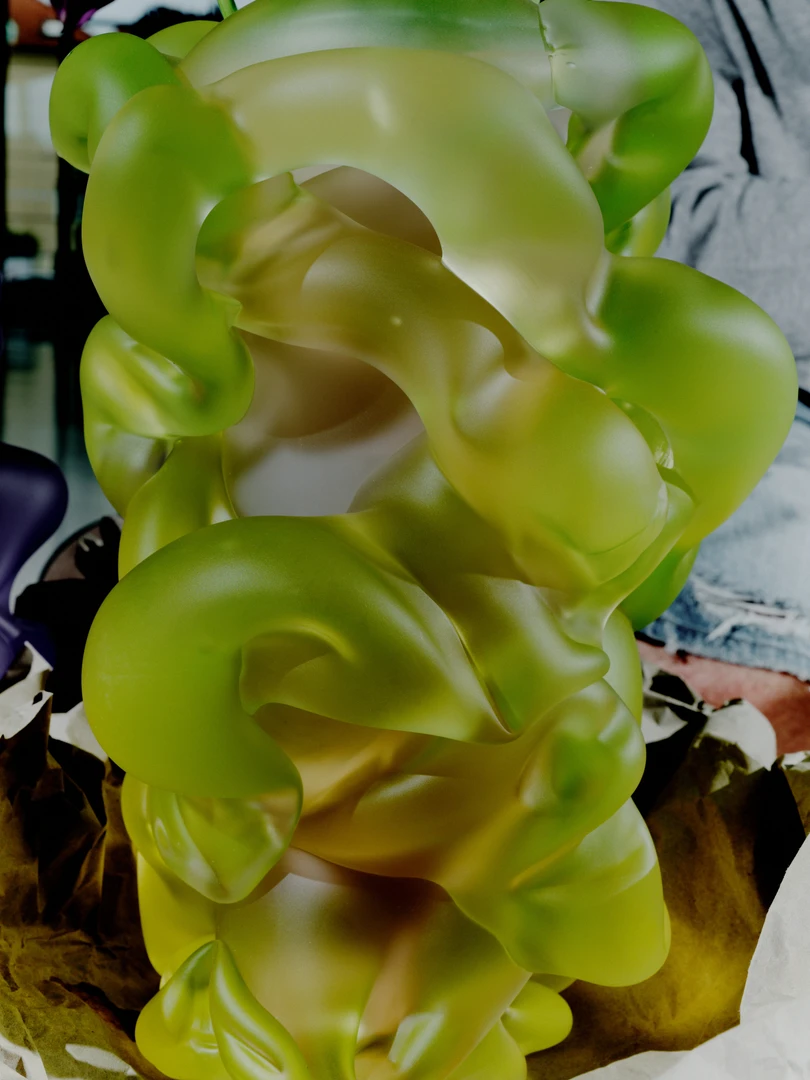
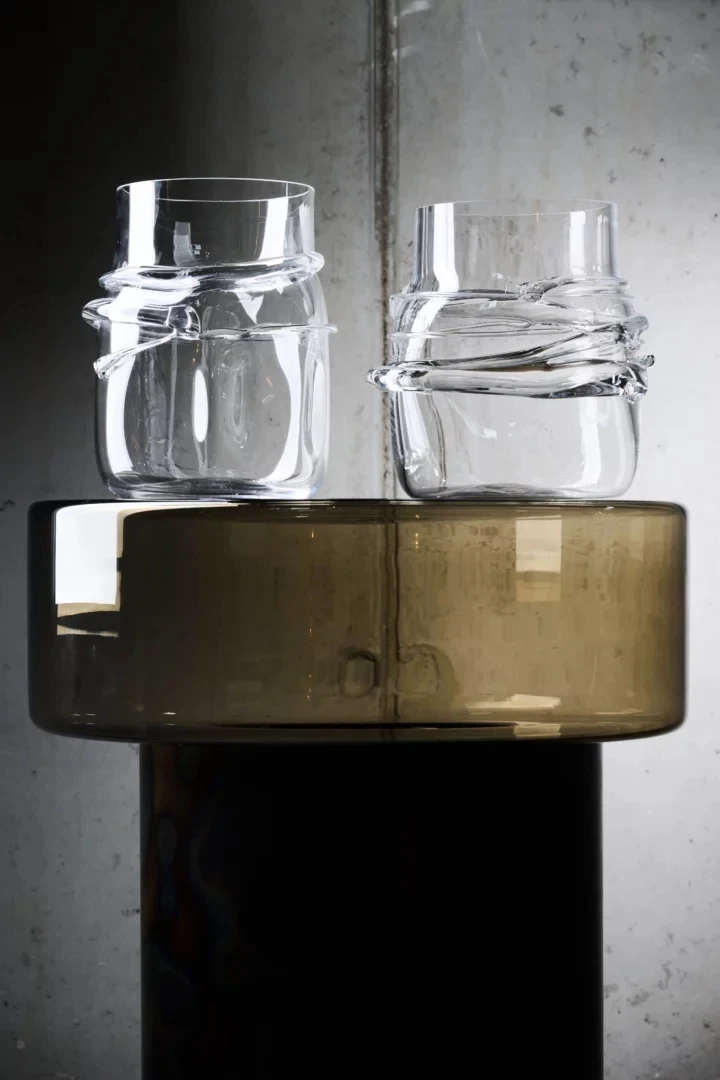
The Riot of Spring collection was created in collaboration with the master glassmakers of the Ajeto glassworks. It is characterized by layers of flowing molten glass shaped into one-of-a-kind organic structures that capture the material’s energy, movement, and constant transformation. Hillerová, recipient of the 2025 Czech Grand Design Discovery of the Year award, is one of the most distinctive figures in the emerging generation of Czech design. The vase is accompanied by a floral installation created especially for Artium by Jan Červ.
Hana Hillerová’s work is defined by her focused exploration of materials, their physical properties, and their capacity for transformation. In her interpretation, glass appears neither fragile nor merely decorative. The dynamic layering of glass lines reflects the instability of the contemporary world, its complexity, and its state of continual change. Hillerová studied studio art at the University of Texas at Austin, where she later directed the Creative Research Laboratory. During her many years in the United States, she completed numerous art projects, including a public commission for Houston Intercontinental Airport, where a group of her metal sculptures is permanently installed. After returning to Prague, she began working intensively with glass and became a member of the Mothers Artlovers collective.
In recent years, Hillerová has emerged as one of the most prominent figures in the new generation of Czech design and art. In 2025, she was nominated for the Czech Grand Design – Discovery of the Year award. This year, she is presenting the Riot of Spring collection at several prestigious international events, including Milan Design Week at the Rossana Orlandi Gallery, the Homo Faber biennial of craft and design in Venice, the Křehký Mikulov festival, and a solo exhibition at Traver Gallery in Seattle.

Gallery
KATEŘINA HANDLOVÁ │ Rei
The curatorial project “Vases,” created in collaboration between the DesignBlok festival and Artium by KKCG to showcase the work of leading Czech designers, continues in July with the “Rei” vase by designer Kateřina Handlová.
The piece was created as a tribute to Rei Kawakubo, founder of the Comme des Garçons brand, who fundamentally transformed the perception of clothing. Her experimental approach to silhouette and volume served as inspiration not only for the vase itself but also for a floral installation created by costume designer Jan Červ. Much like Rei Kawakubo’s work, he works with surprising shapes, expressive volumes, and unexpected associations, thereby emphasizing the sculptural character of the exhibited object.
The Rei vase is Kateřina Handlová’s first original design since taking on the role of creative director at the Rückl glassworks. Through its organically modeled shape, it references the aesthetic of the Japanese fashion designer, whose work challenges traditional notions of beauty and proportion. The result is an object that transcends its utilitarian function and becomes an independent work of art.

Gallery

MILAN PEKAŘ │ Volume 5
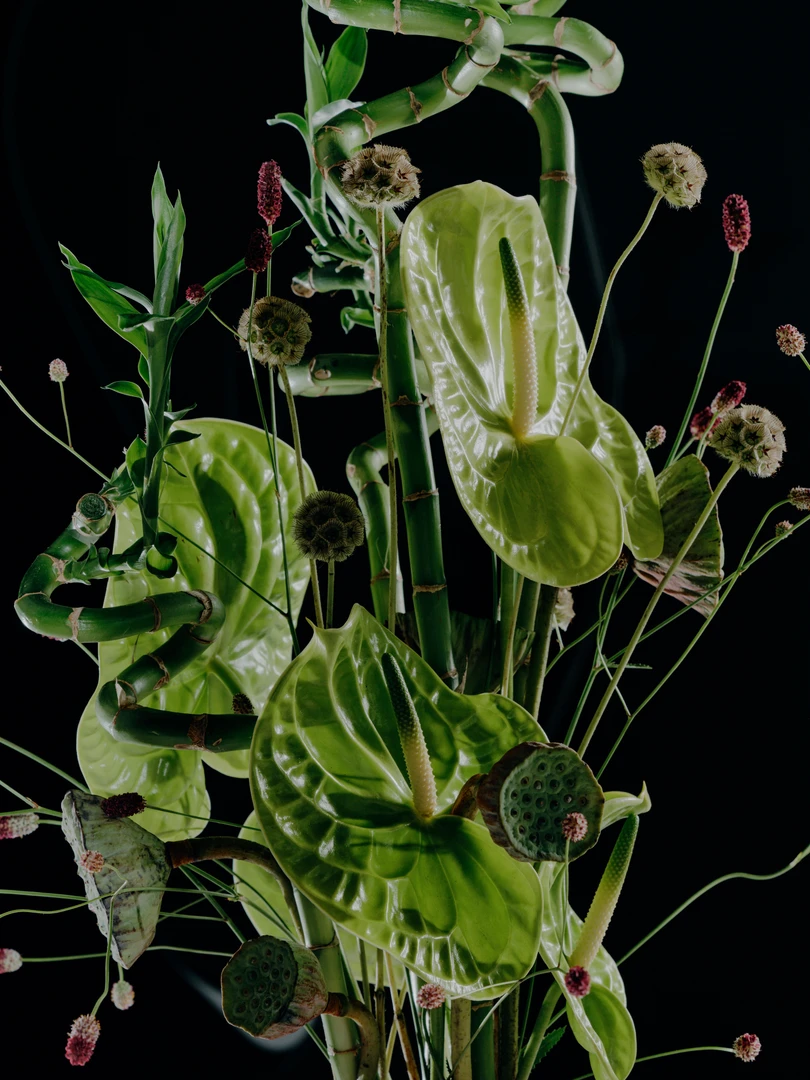
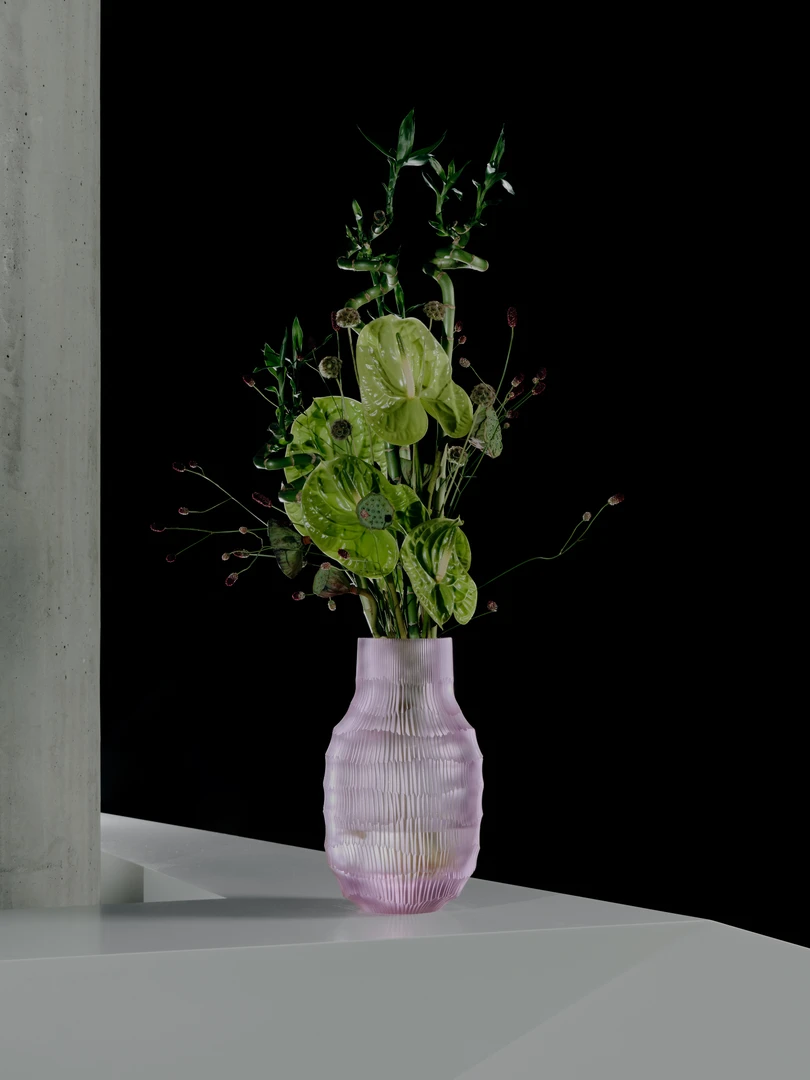
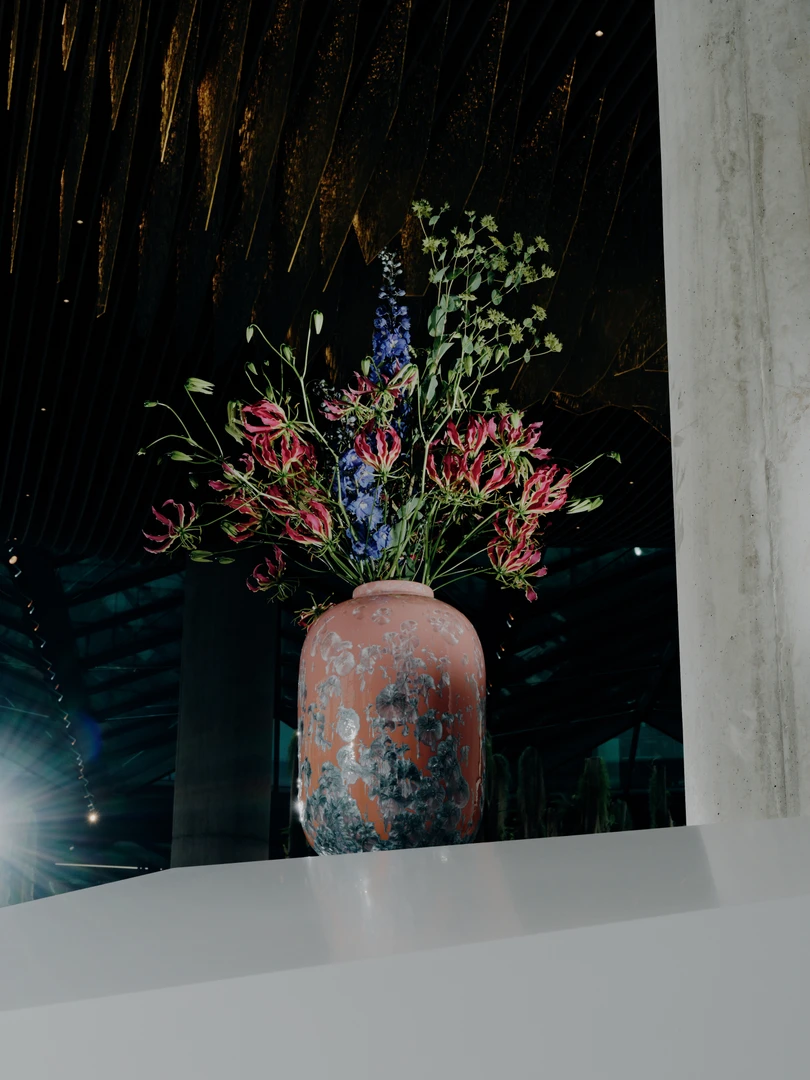
This May, the Prague International Design Festival in collaboration with Artium by KKCG launched a curatorial project titled Vases, presenting the works of leading Czech designers. This concept shows a vase not as a mere utilitarian thing, but rather as an autonomous object oscillating between design, free art, and architecture. The second piece exhibited within the project is an original and distinctive crystalline vase Volume 5 by Milan Pekař, a ceramics and porcelain designer.
Milan Pekař explores the themes of volume, mass, and physical presence of an object in space. His collection of vases Volume builds on a simple yet fundamental premise: a vase is not perceived merely visually, but also through the prism of its proportions, weight, and the space it occupies. The smallest vase (Volume 1) fits nicely in palm of your hand, while the largest one (Volume 5) can be held in embrace, its proportions relating to the human body.
The Volume 5 vase is slip-casted from pink porcelain, finished with a white crystalline glaze. A fine nickel admixture creates subtle crystalline effects in light blue at the bottom. Experimenting with ceramic materials and production techniques as well as distinctive use of crystalline glaze are signature traits of Pekař’s creative work. His objects oscillate between precise craftsmanship, material experiment, and sculptural approach to the form.
Milan Pekař together with fellow artist Tereza Sluková won the Grand Prix at DesignBlok Awards 2025. The artistic duo is represented by prestigious foreign galleries and has attracted attention both at home and abroad in the context of contemporary collectible design. For this year’s Křehký Mikulov festival, they created original objects on the theme of Garden. Together, they also head the ceramics and porcelain studio at UMPRUM Prague, where they shape the emerging generation of Czech designers.

Gallery
DECHEM │Burned Landscape
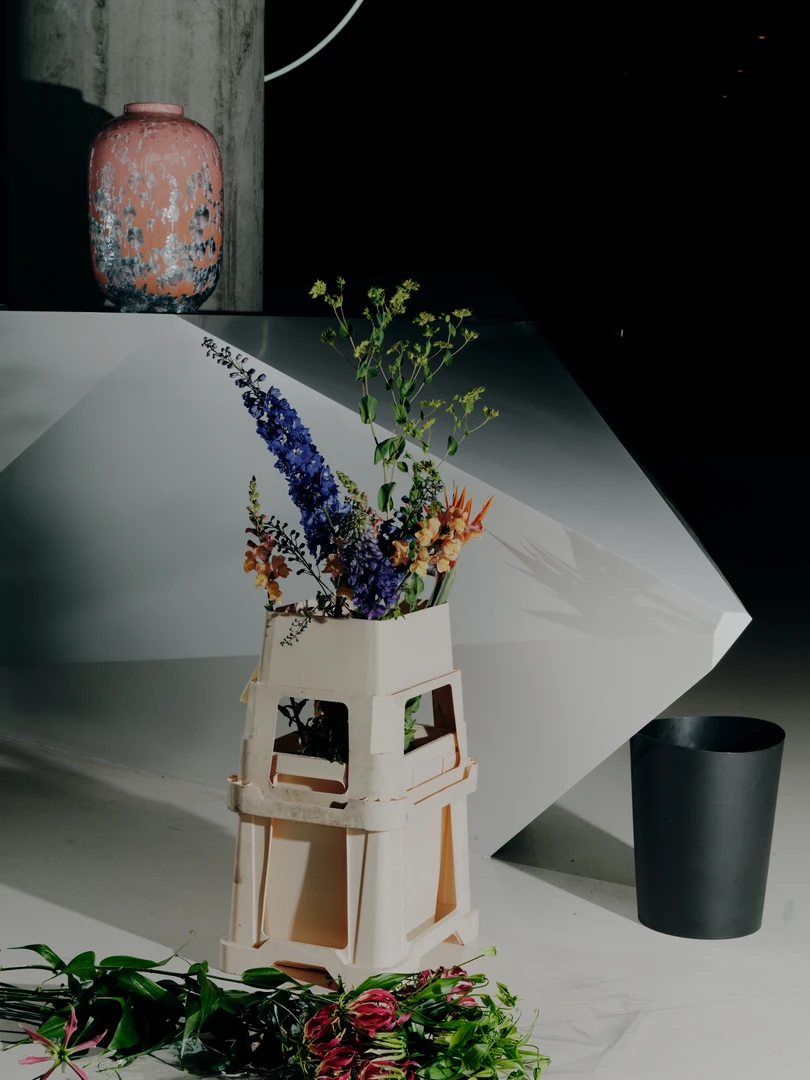
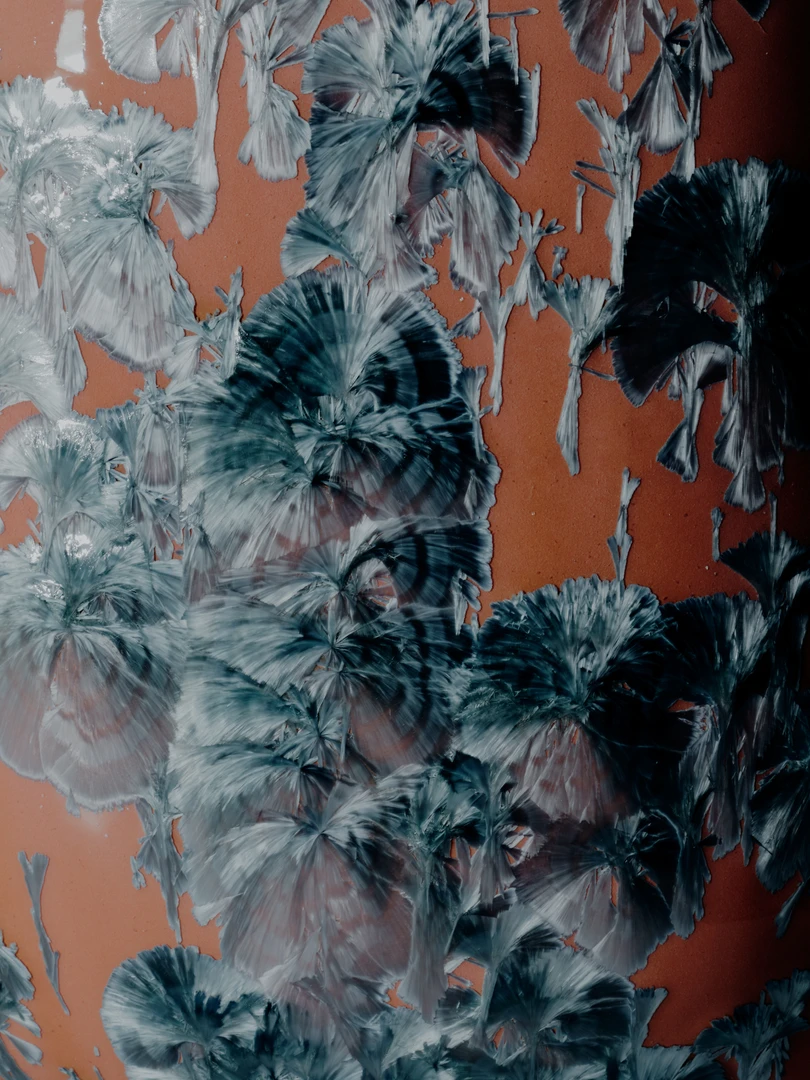
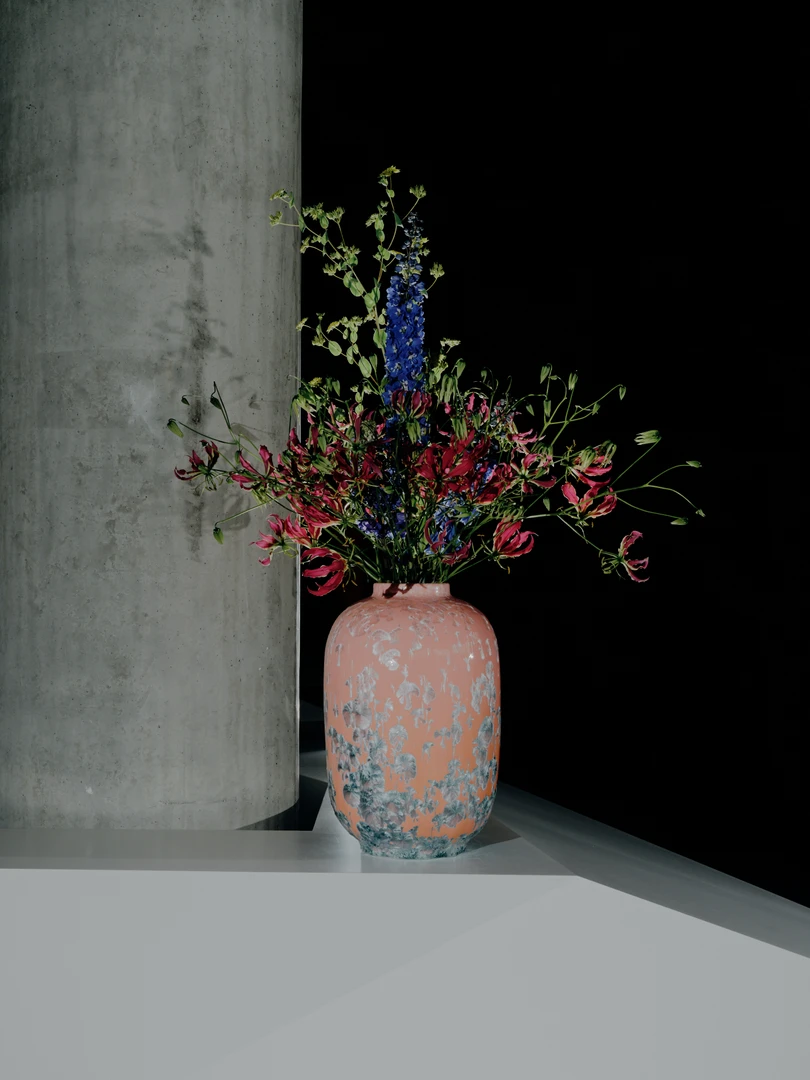
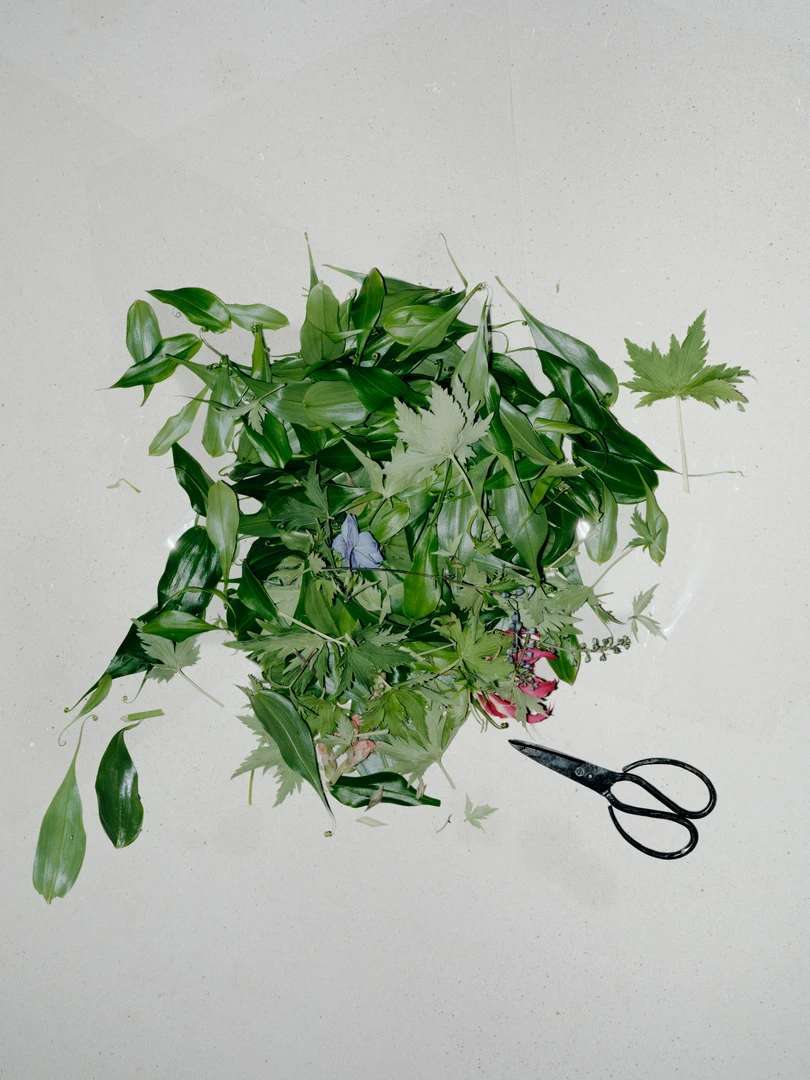
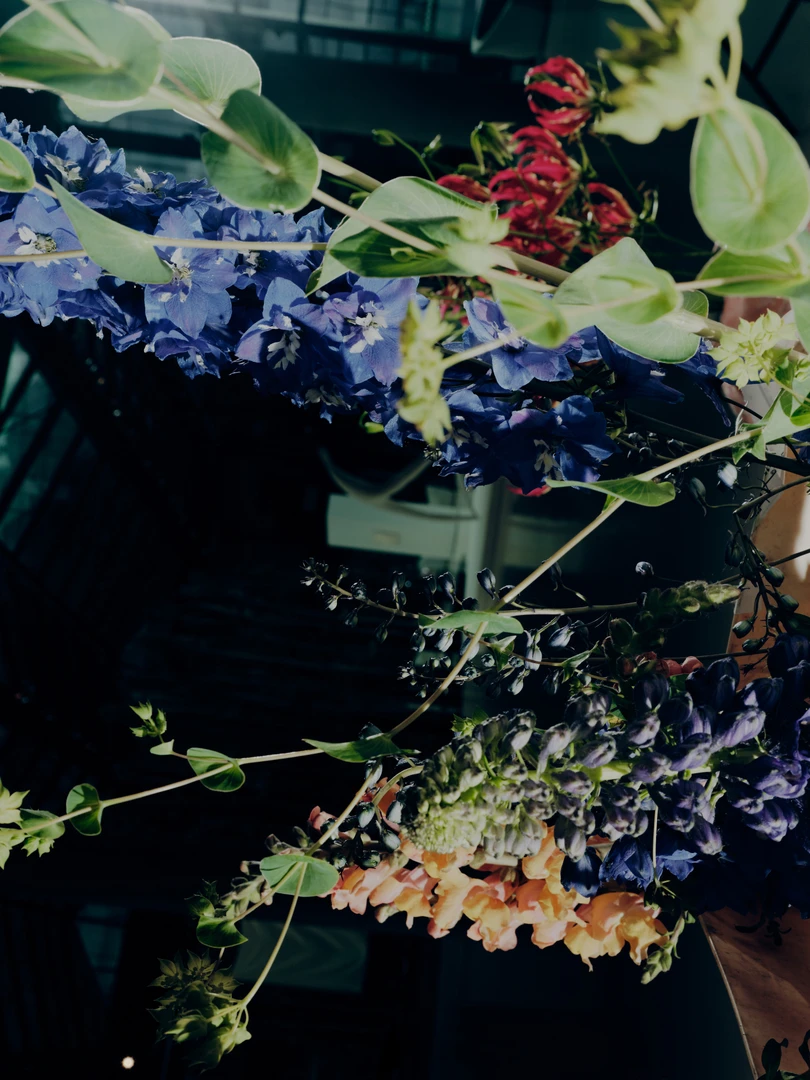
The project opens with a vase from the Burned Landscape collection by DECHEM studio, founded in 2012 by Michaela Tomišková and Jakub Janďourek. Their work is rooted in a deep understanding of the Czech glassmaking tradition and the continuity of its technological and formal principles, which they systematically reinterpret within contemporary design. A defining aspect of their practice is the close connection between design and production—they work with traditional hand-blown glass techniques not merely as a reference, but as an active creative tool.
The Bandaska vase, first presented at Designblok in 2014, emerged from the designers’ desire to engage with the archetypal form of the traditional milk can. It immediately attracted attention and has since become one of the studio’s most successful products. The designers have continued to develop the object, particularly through color variations, and have produced several limited editions over the years. The latest addition is the Burned Landscape vase, introduced last autumn. What began as an experimental drawing with molten glass on paper evolved into a three-dimensional interpretation, transforming the now-iconic Bandaska into a more expressive form. Each piece in this edition is unique, carrying its own “landscape,” described by the designers as a panoramic trace of fire, air, and human gesture.
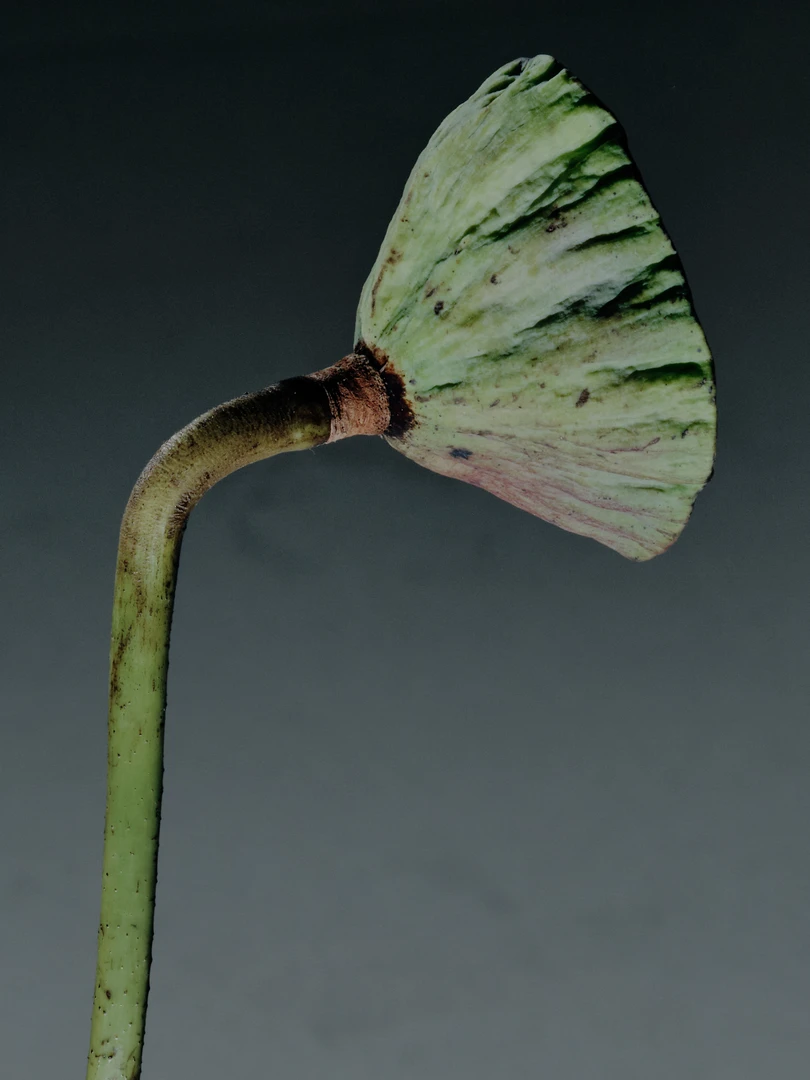
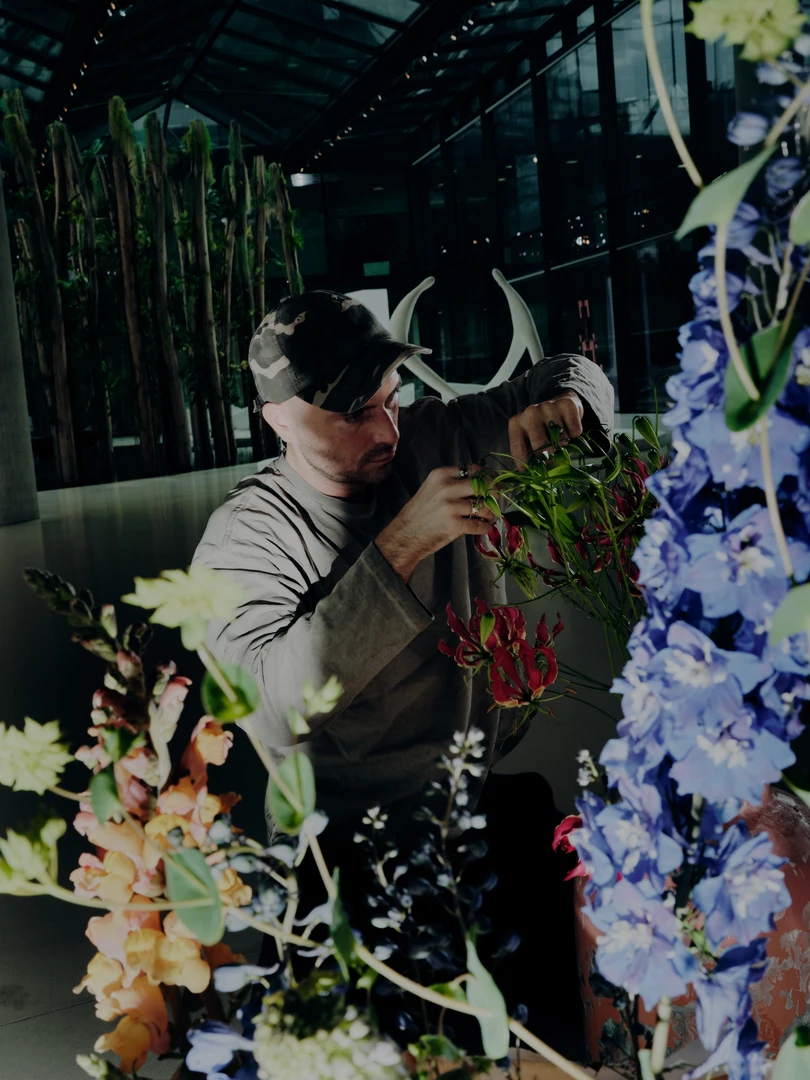
The method of installation also plays a key role in the Vases project. The floral compositions are not created by florists but, for example, by jeweler Zdeněk Vacek, who approaches them from a distinct disciplinary perspective. He perceives the flower as a jewel adorning the vase—an ephemeral yet meaning-bearing layer. He has long explored this medium alongside his authorial jewelry practice. Under his own brand, he creates objects on the boundary between jewelry and artifact, combining organic materials with metal while developing both a distinctive creative language and refined craftsmanship. Last year, Zdeněk Vacek celebrated twenty-five years of his work with the exhibition DARK’n’LUSH at the Museum of Decorative Arts in Prague, where he presented his shift from jewelry toward free objects and site-specific installations.

Gallery

DANIEL PIRŠČ │ Octopus & Amfo
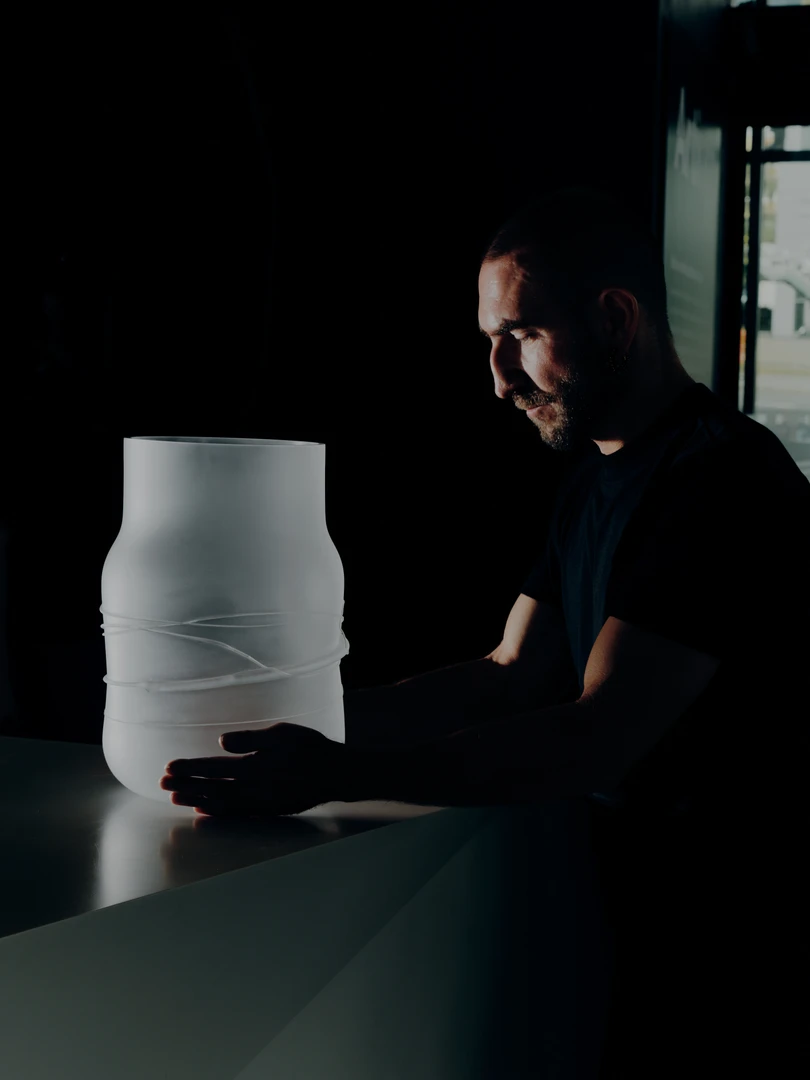
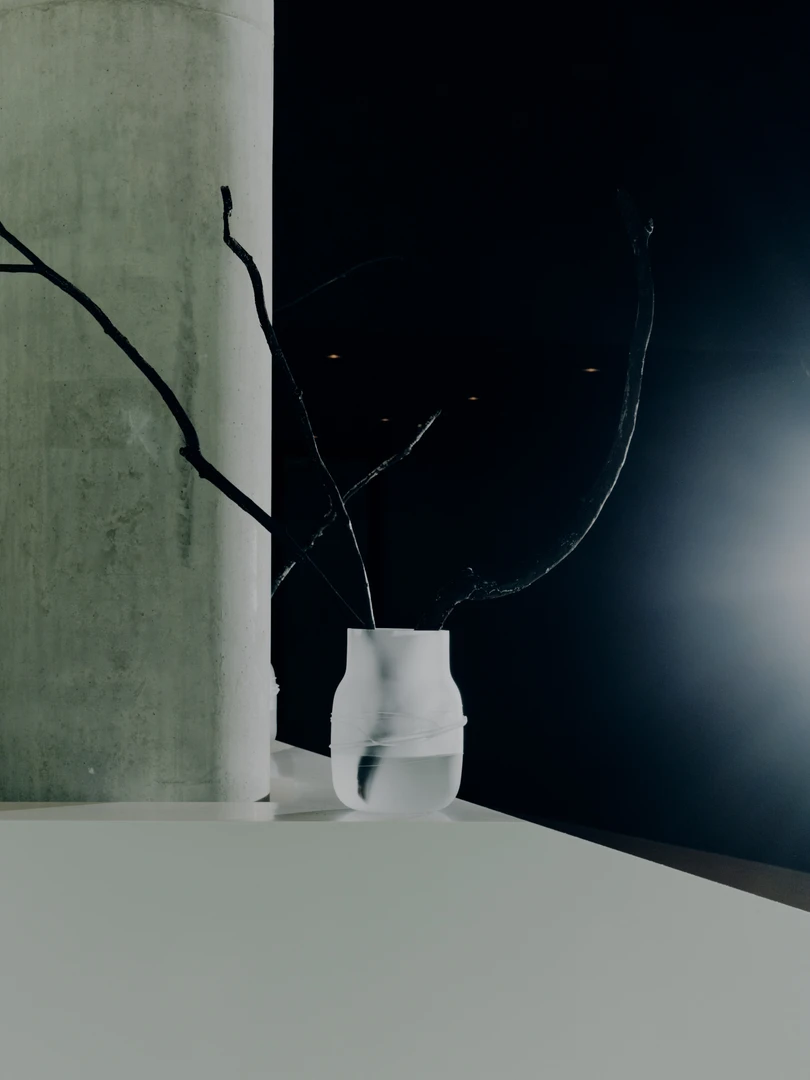
The Vases curatorial project, a collaboration between the Designblok festival and Artium by KKCG showcasing the work of leading Czech designers, continues in October with two porcelain vases, Octopus and Amfo, from Daniel Piršč’s limited-edition Barzoj collection.The collection was first unveiled in 2022 at the Křehký Mikulov festival and subsequently presented at Designblok. It earned Piršč second place in the Designer of the Year category at the Czech Grand Design 2022 awards, as well as the EDIDA 2023 award for Interior Accessory of the Year. The vases draw on the familiar shapes of historical vessels, but Piršč has radically transformed their traditional volumes. From one angle, they appear as fully three-dimensional objects; from another, they almost disappear, becoming slender silhouettes.The name Barzoj came later. The unusual construction of the vases reminded Piršč of the Russian Borzoi, a breed of sighthound whose slender body appears almost flat when viewed from the front, yet reveals its true volume in profile. His porcelain objects behave in much the same way. But this is more than just an optical illusion. Their extreme flattening also represents a technically demanding exploration of porcelain, testing both its strength and fragility. The velvety matte exterior contrasts with the glazed interior, further emphasizing the unconventional forms of both vases.Daniel Piršč is one of the most prominent figures in contemporary Czech porcelain design. He studied in the Ceramics and Porcelain Studio at Prague’s Academy of Arts, Architecture and Design (UMPRUM) and has been developing his own brand, PIRSC PORCELAIN, closely associated with the town of Mikulov, since 2005. In his hands, porcelain has long since moved beyond its traditional role as a material for tableware. He incorporates it into sculptural objects, interior design, and architecture, continually exploring its technical and expressive possibilities. Alongside his artistic practice, he is also dedicated to teaching. The Barzoj collection perfectly captures the two defining aspects of his work: a mastery of porcelain craftsmanship and a desire to challenge established conventions.Jewelry designer Zdeněk Vacek, who created the floral installation, brings a similarly innovative approach to his own field.
