 Česky
Česky
 English
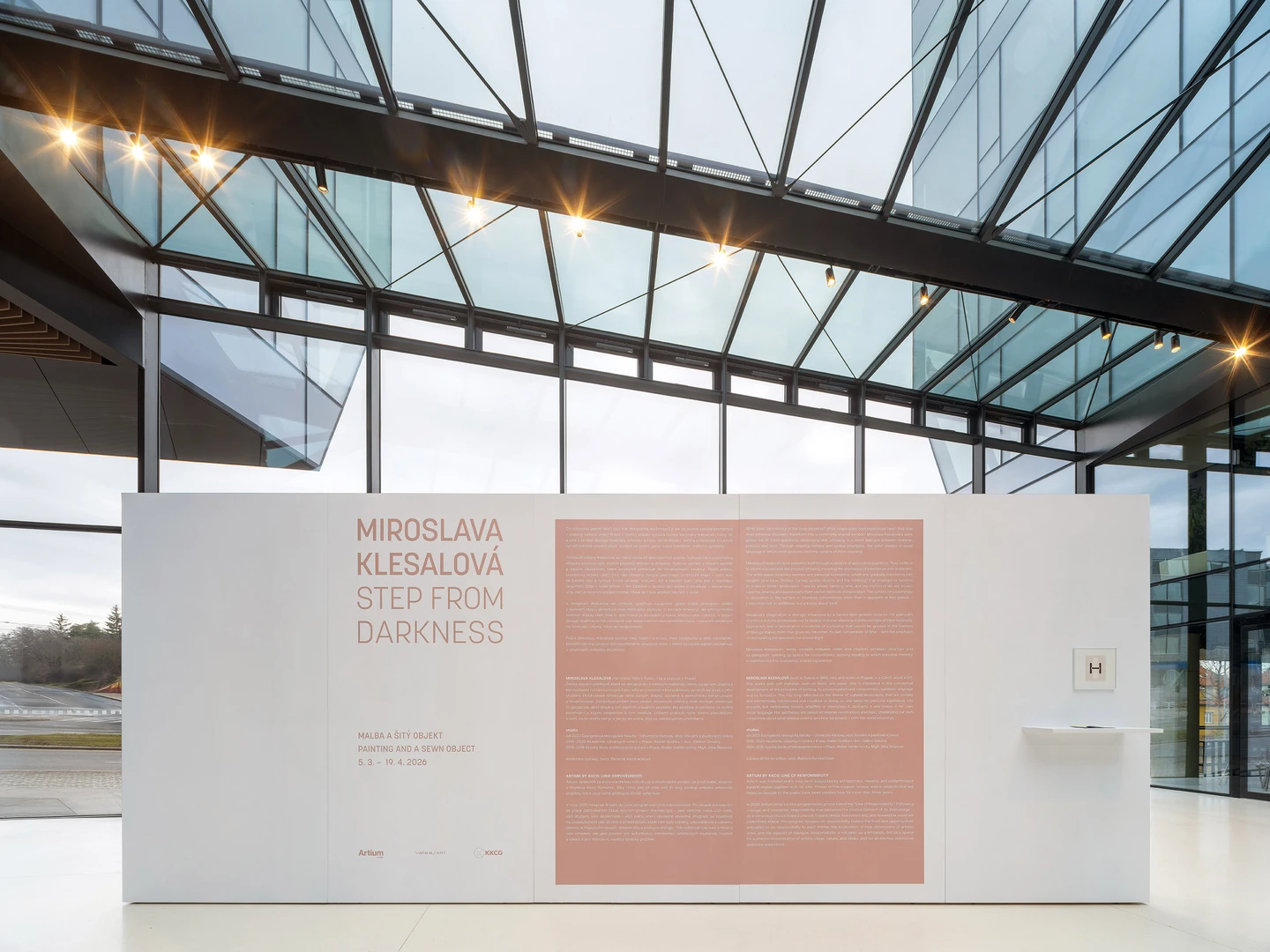
Miroslava Klesalová - Step from Darkness
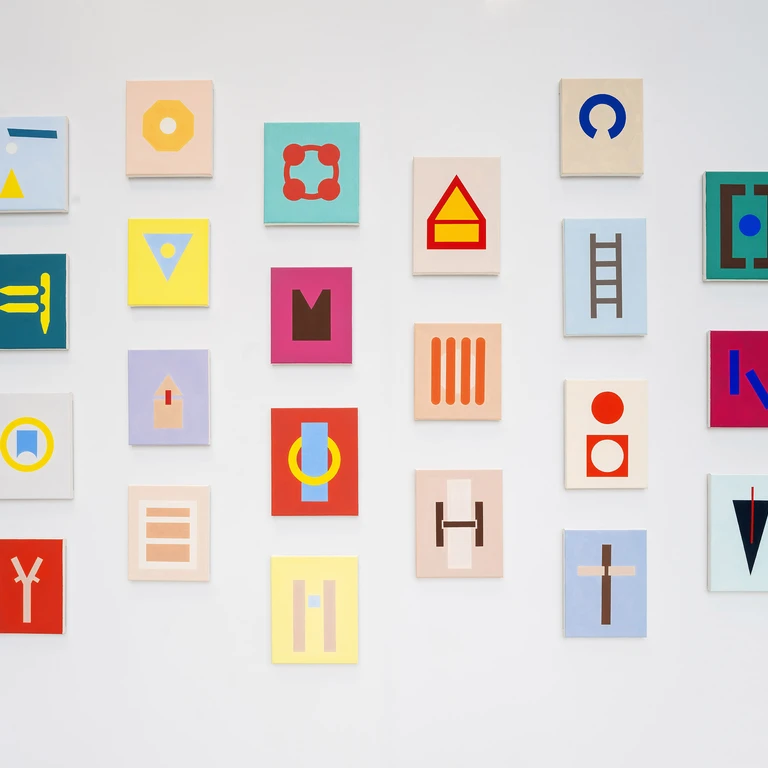
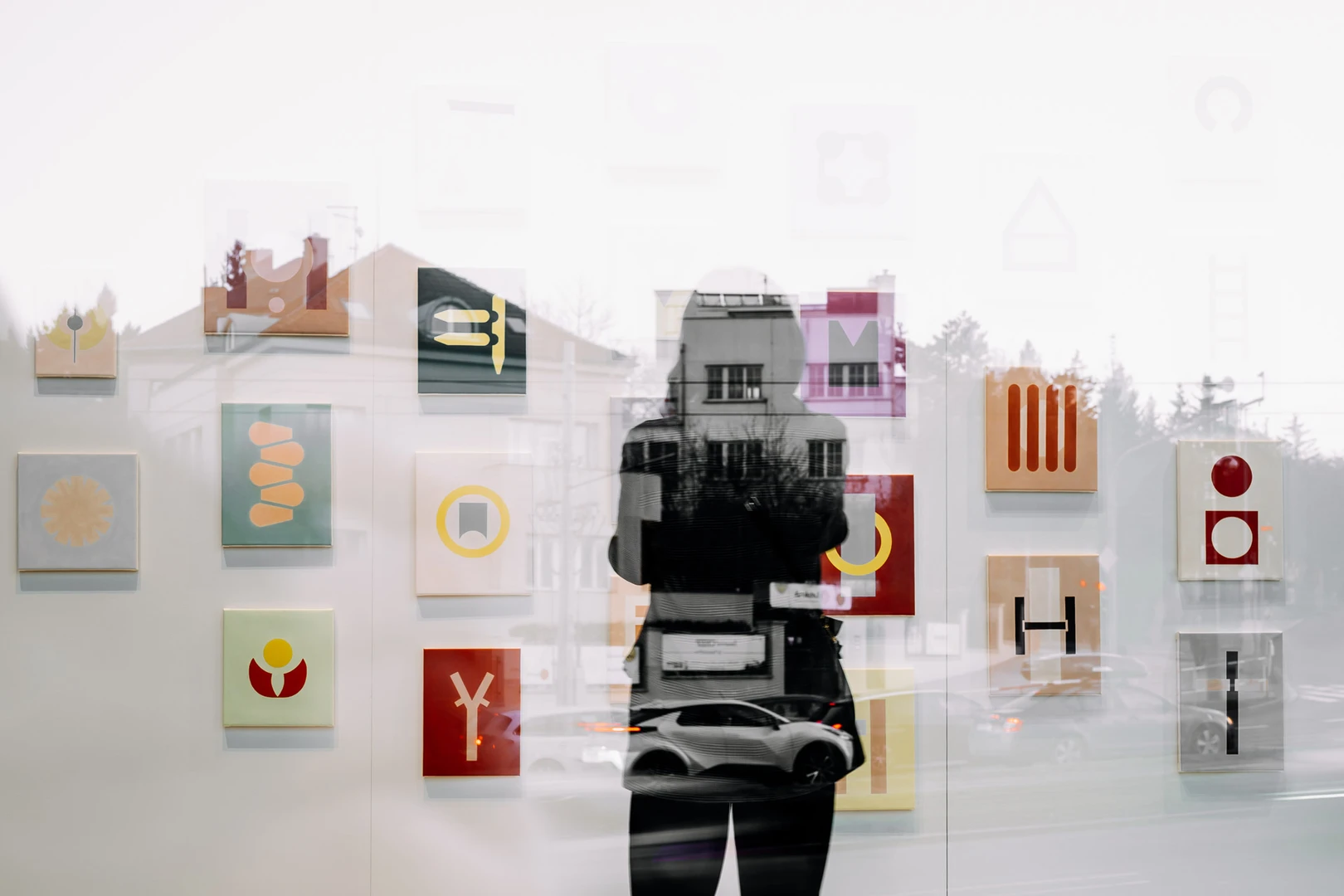
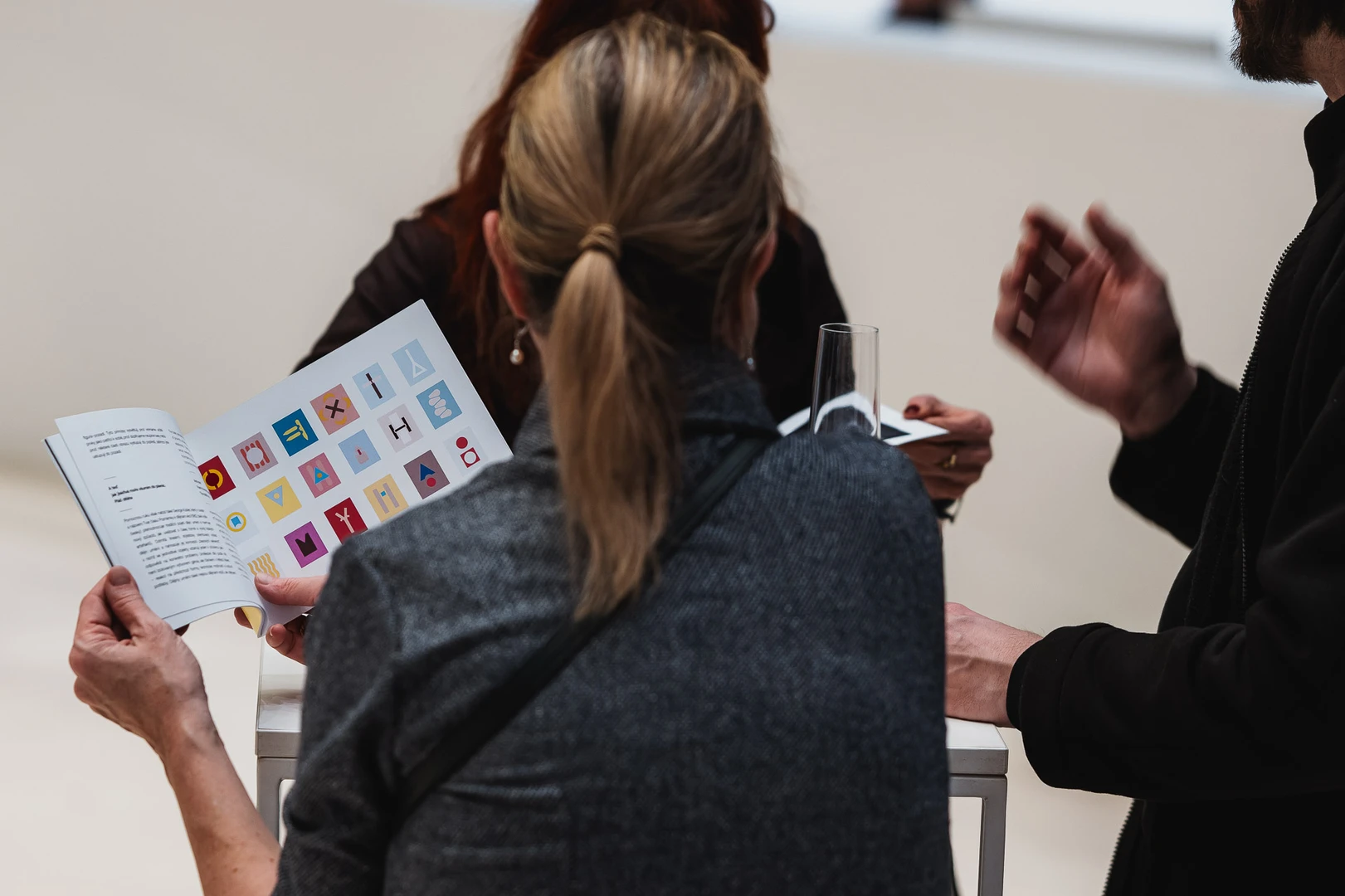
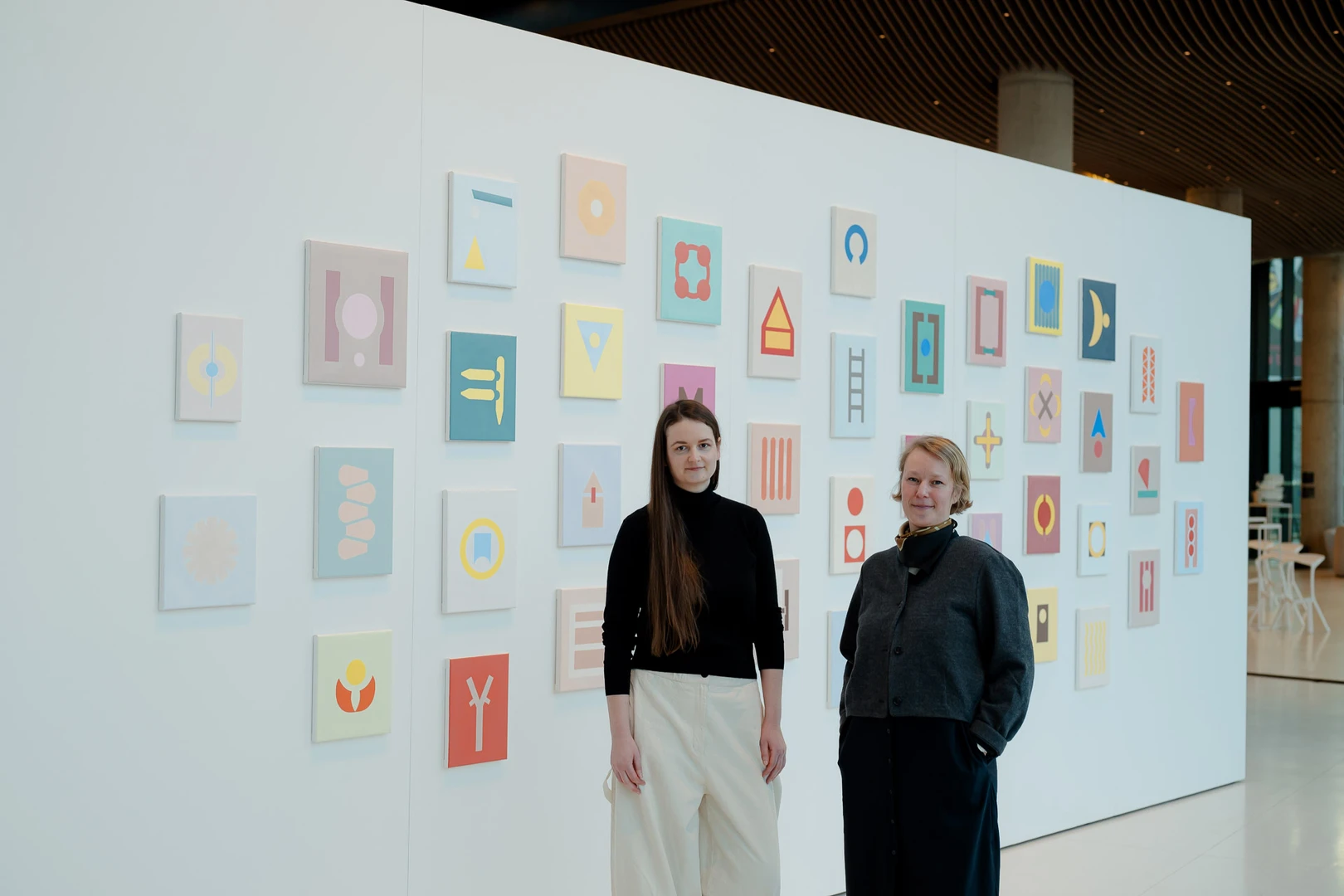
In addition to the textile-based approach reflected in previous years, drawing on the artist’s personal experience of the landscape and her effort to abstract it, the exhibition presents an autonomous body of small-scale paintings that bring fundamental shapes and signs into presence. Although the two approaches may appear distinct, they are united by a shared effort to understand the surrounding world and share that experience. What may seem banal thus gains significance, becoming evidence of the process of articulation.
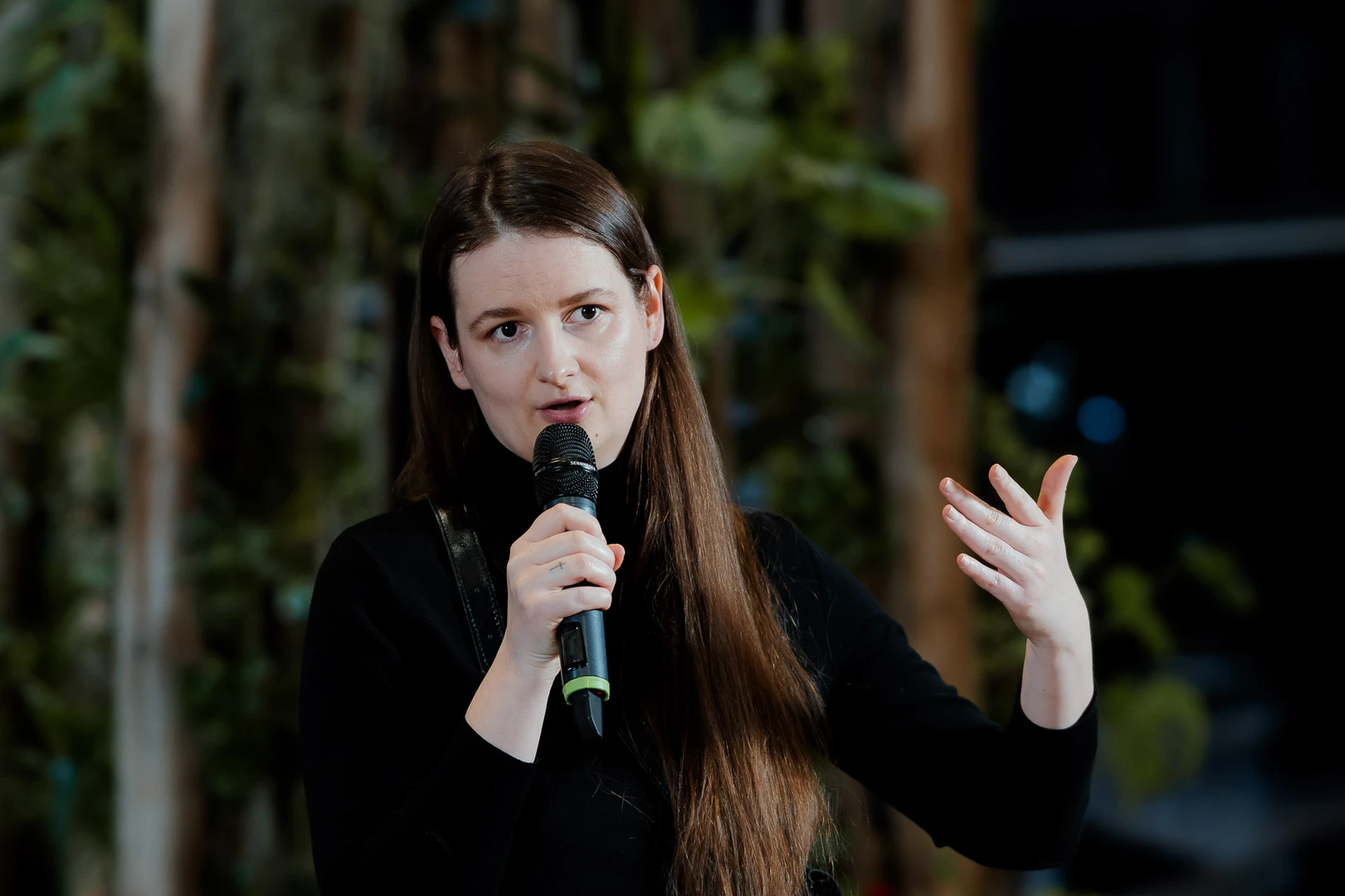
A key aspect of Klesalová’s approach is her sensitivity to what is observed and lived. She understands sensitivity as her working mode. “For her, it is a way of capturing subtle shifts, rhythm, and tension that emerge even before the composition settles. Her work avoids expressiveness, yet it is not coldly rational. The result is compositions that feel firm and controlled, while carrying fragility and openness within them,” says Barbora Kundračíková, curator of the exhibition.
Klesalová works with textiles, drawing, and spatial objects. Her “dresses,” suspended textile objects so characteristic of her practice, function as maps of inner landscapes—places and situations observed specifically in the Pošumaví region, where Klesalová comes from, in which time, memory, and the events of everyday life are concentrated. Every stitch or line is evidence of a situation that “cannot simply be stood through.”
Miroslava Klesalová (*1985) is a graduate of the Academy of Fine Arts in Prague, Studio of Printmaking 1 under Associate Professor Dalibor Smutný, and the Academy of Arts, Architecture and Design in Prague, Textile Studio under MgA. Jitka Škopová. This visual artist works with soft materials, fabric, and paper. She is interested in the conceptual development of the principles of printmaking, its processual nature and cohesion, symbolic language and its formation. Over the long term, she reflects on the theme of the cultural landscape as socially and economically constructed and modified. While taking her personal experience into account, she deliberately revises, amplifies, or suppresses it, abstracts it, and transforms it into her own visual language. Her aesthetics are grounded in an inner construction and logic—or move toward them—while challenging our own beliefs about what inner order is and how we project it into the world that surrounds us.
Curator of the exhibition: Barbora Kundračíková
On the occasion of the exhibition, a special collector’s edition of prints, Step from Darkness Selection, has been released.
The exhibition is for sale – if you are interested in purchasing any of the artworks or prints, please contact us at artium@kkcg.com.
25. 2. 2026
Gallery

Past exhibitions
16 eventsKateřina Šťastná - Intervals of Presence
From May through July, Artium will be filled with works by sculptor Kateřina Šťastná.

Miroslava Klesalová - Step from Darkness
The newly presented work of Miroslava Klesalová was created through a quiet, long-term process in which the artist’s intuition merged with personal experiences, giving rise to unique symbols.

Michal Adamovský - Broken Flowers
At a time when the line between truth and interpretation is becoming increasingly blurred, an exhibition arrives that offers both an aesthetic experience and an intellectual challenge.

M. Moflár, F. Švehla - Anywhere Between Black and White
Color is a dominant quality through which we automatically perceive and judge the world—even when it is not visible.

Václav Kočí - Strength to Strength
The first exhibition of 2025 was a pop-up artistic intervention by Brno-based conceptual painter Václav Kočí, inspired by a McLaren Formula 1 race car.
