 Česky
Česky
 English
Jaume Plensa unveiled a new sculpture "Nest"
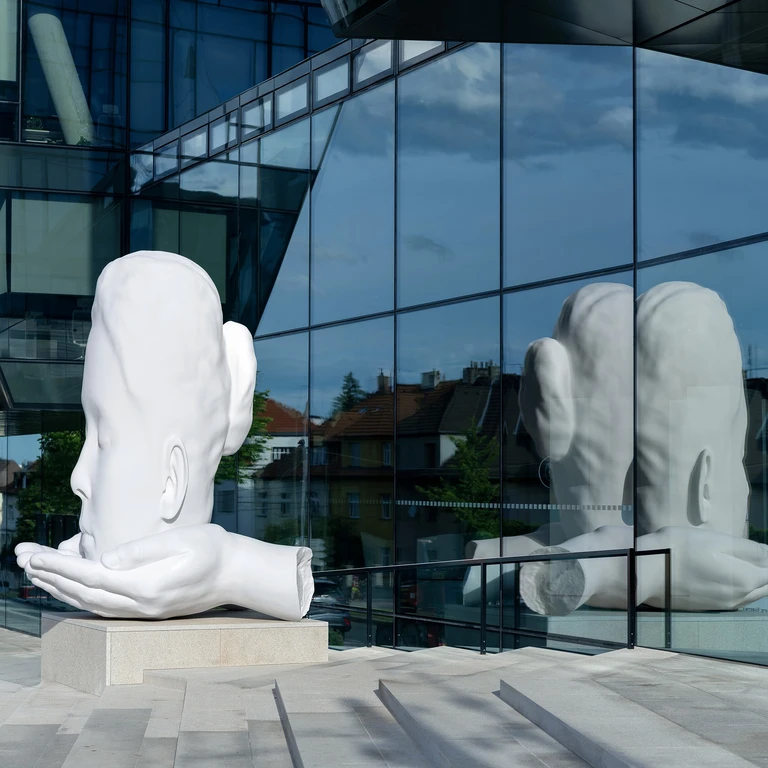
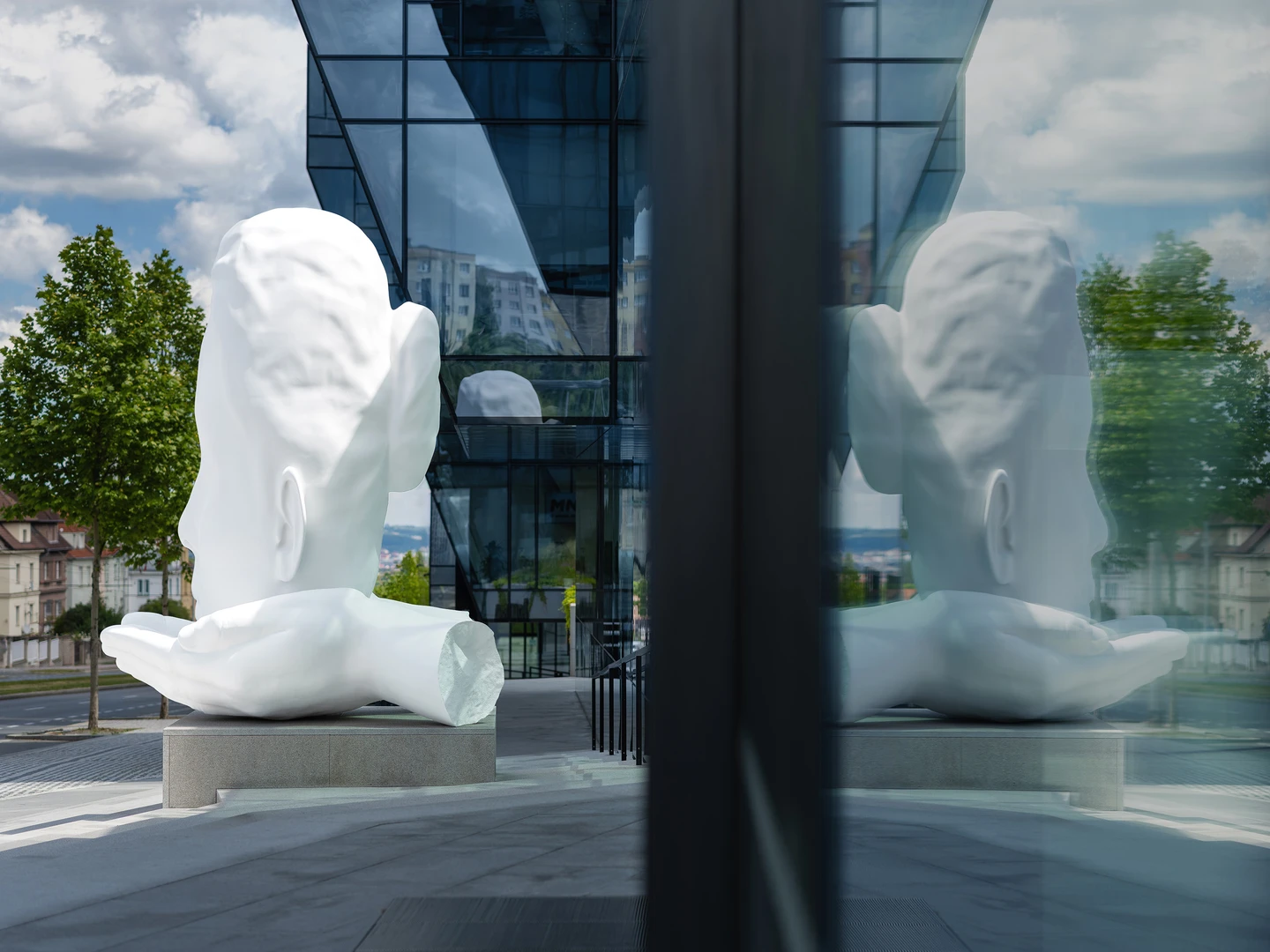
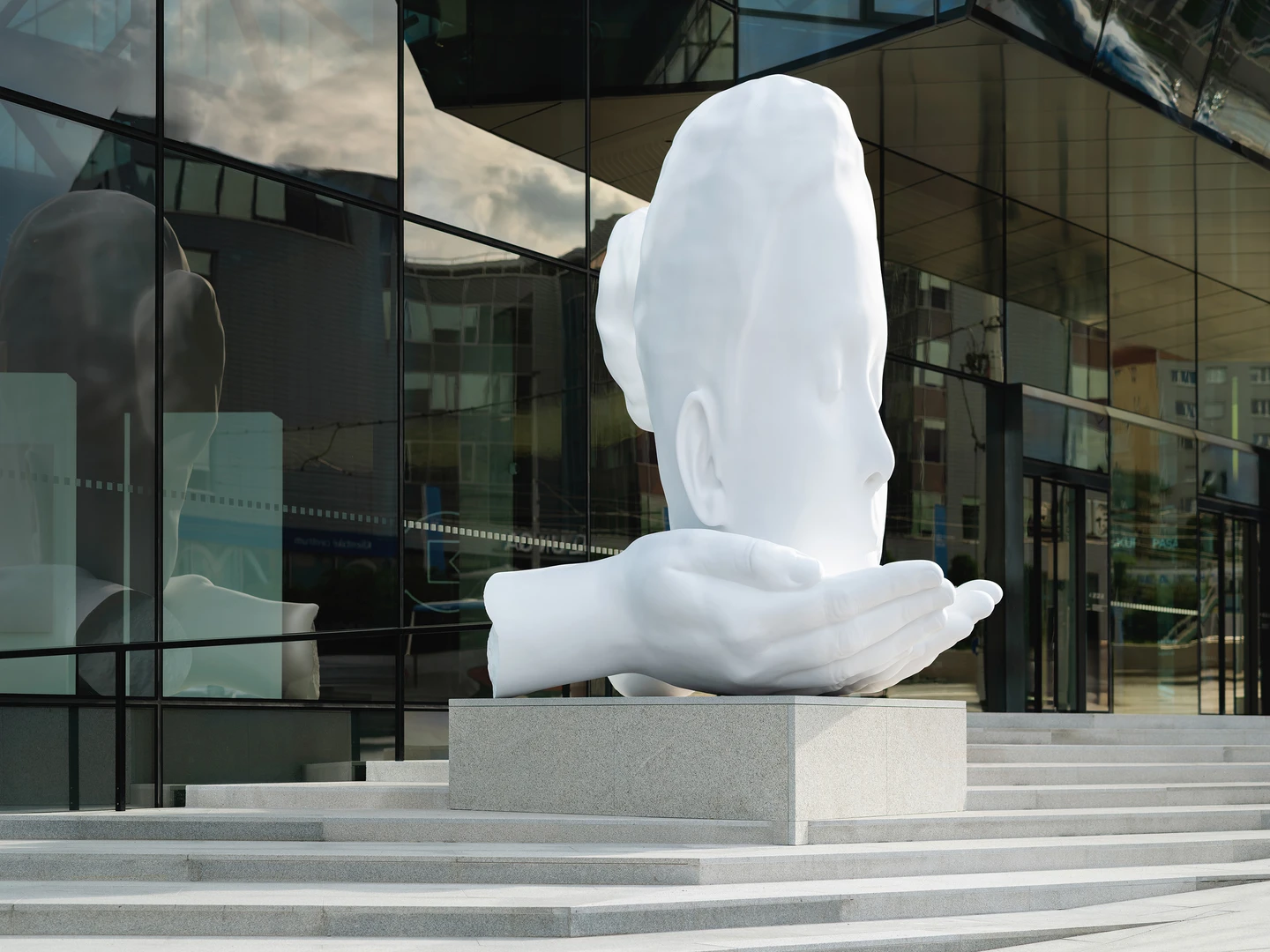
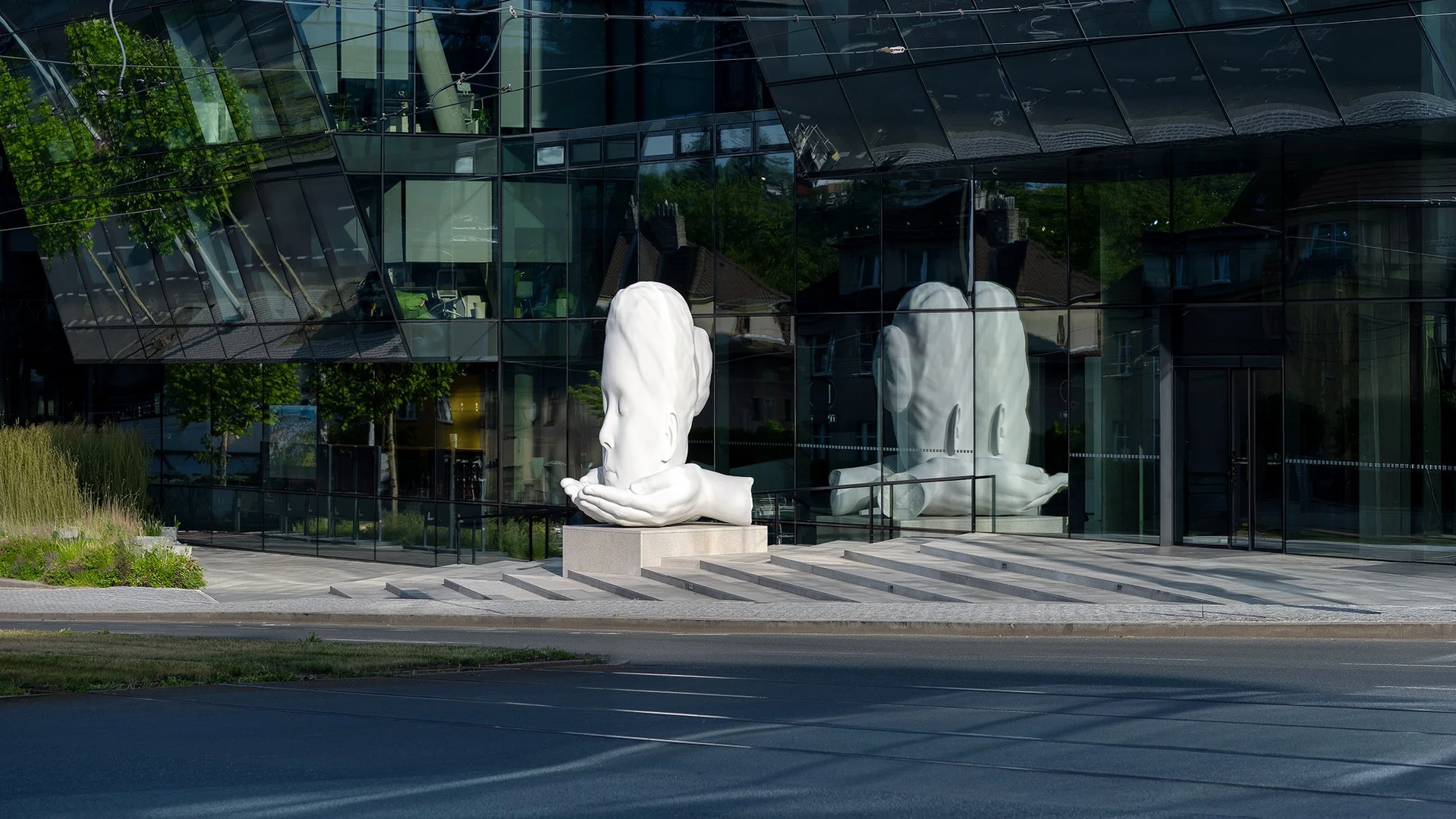
At the busy intersection near Evropská Avenue, the sculpture NEST by Spanish sculptor Jaume Plensa was ceremonially unveiled in front of the entrance to the Artium art space. The work was created on the initiative of Valea Art and is set to become one of Prague's new symbols — an oasis of calm and humanity in the heart of a bustling metropolis.
Jaume Plensa, born in 1955 in Barcelona, is today one of the most respected sculptors in the world. His works grace the world's major cities: Crown Fountain in Millennium Park in Chicago, We near the Shard skyscraper in London, Water's Soul overlooking the Hudson River in Jersey City, Julia at Plaza de Colón in Madrid, and The House of Light and Love in Taipei. Prague now proudly joins their ranks.
Plensa is no stranger to Prague. In 2009, he exhibited at náměstí Jana Palacha (Jan Palach Square) and fell in love with the Czech capital. So, when Valea Art approached him with an offer to create a permanent work for Prague, he did not hesitate.
"From the outside, the building in Bořislavka struck me as unnecessarily closed off. With my work, I wanted to create a symbolic bridge between the building, its concept, and society — an image of generosity and tenderness towards the community," the artist explains.
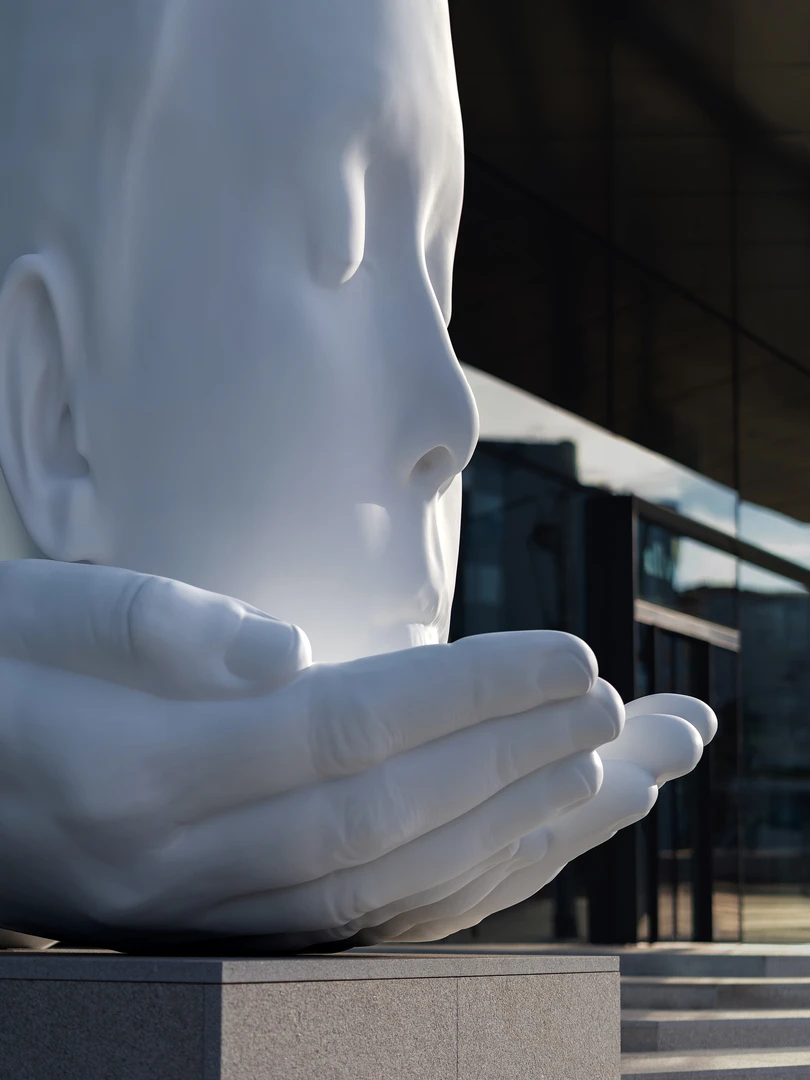
The sculpture NEST, standing 4.5 metres tall, cast in bronze and painted white, continues Plensa's signature style: an elongated girl's head whose apparent size changes depending on the viewer's distance. This time, however, the head does not rest alone — it is held and protected by human hands.
For Plensa, the head is the most important part of the human body — the seat of the brain, of dreams, and of the most daring thoughts. The building in front of which the sculpture stands reminded him, with its mystical sense of enclosure, of the brain itself. The sculpture neither describes nor decorates — it opens a dialogue. Approaching and stepping away, the two basic movements of anyone passing by, transform the work anew each time.
"The head, like a fragile little bird, rests in the palms. It is protected, yet at the same time it stretches upward with mystical dignity into beauty," says curator and director of Valea Art Linda K. Sedláková, who collaborated closely with the artist on the project from the very beginning.